Category Archives: London

Harry Redknapp lends a hand

Possibly the only interesting sentence that has ever been written about Harry Redknapp appeared 40 years ago, when Redknapp was playing West Ham. It goes:

‘It is said that when West Ham were fighting Coventry at Coventry station last year, Billy Bonds and the inevitable Harry Redknapp came along to lend a hand.’

This appears almost as an aside in Chris Lightbown’s seminal article Football Gangs in Time Out in April 1972, which looked at the mobs that followed the four big London clubs: Arsenal, Chelsea, Tottenham and West Ham.

Did Redknapp really join in a ruck in 1971? This should surely be the first question put to him if he ends up getting the England job.

Hawksmoor at the Royal Academy: bunkum and brilliance

As the adverts all over the tube let us know, there’s currently a big David Hockney exhibition at the Royal Academy. Less well advertised, but far more compelling from a London point of view, is the same gallery’s fine show on the fascinating architecture of Nicholas Hawskmoor.

This takes place in the Architecture Space – a nice name for a small corridor near the restaurant – and features a short introduction to the architect, alongside photographs and paintings (photographed, not originals) of key works that feature or reference Hawksmoor’s work.

Hawksmoor, who specialised in hefty Baroque churches, is not an architect to everybody’s taste. In 1734, James Ralph argued that Christchurch was ‘beyond question, one of the most absurd piles in Europe’.  His reputation was resuscitated by Kerry Downes in 1959, who insisted of his churches that ‘they will repel us or fascinate us, but we cannot escape from their strange, haunting power’. This has been a mantra repeated by writers in the following years.

I actually find it quite easy to escape their powers, strange, haunting or otherwise, but this supposed mysterious attraction of Hawksmoor churches is now almost impossible to ignore or deny. It has been repeated so many times, it’s become fact, as Hawksmoor became the anointed architect for a certain type of London writer, the Peter Cook to Sir Christopher Wren’s Dudley Moore. I admire Hawksmoor’s churches, but don’t see them as particularly profound or unsettling.

Among the first to take up this theme was Iain Sinclair who wrote about Hawksmoor in King Lud (1975). A quote from the book is reproduced on the wall, and it offers a perfect illustration of what I dislike about the psychogeographic way of seeing London: ‘From what is known of Hawksmoor it is possible to imagine he did work a code into the buildings, knowingly or unknowingly, templates of meaning, bands of continuous ritual.’

‘From what is known’; ‘possible to imagine’; ‘knowing or unknowing’. Make it up as you go along, in other words. There’s nothing wrong with this, of course, but I do resent the way it is elevated above all other forms of London writing.

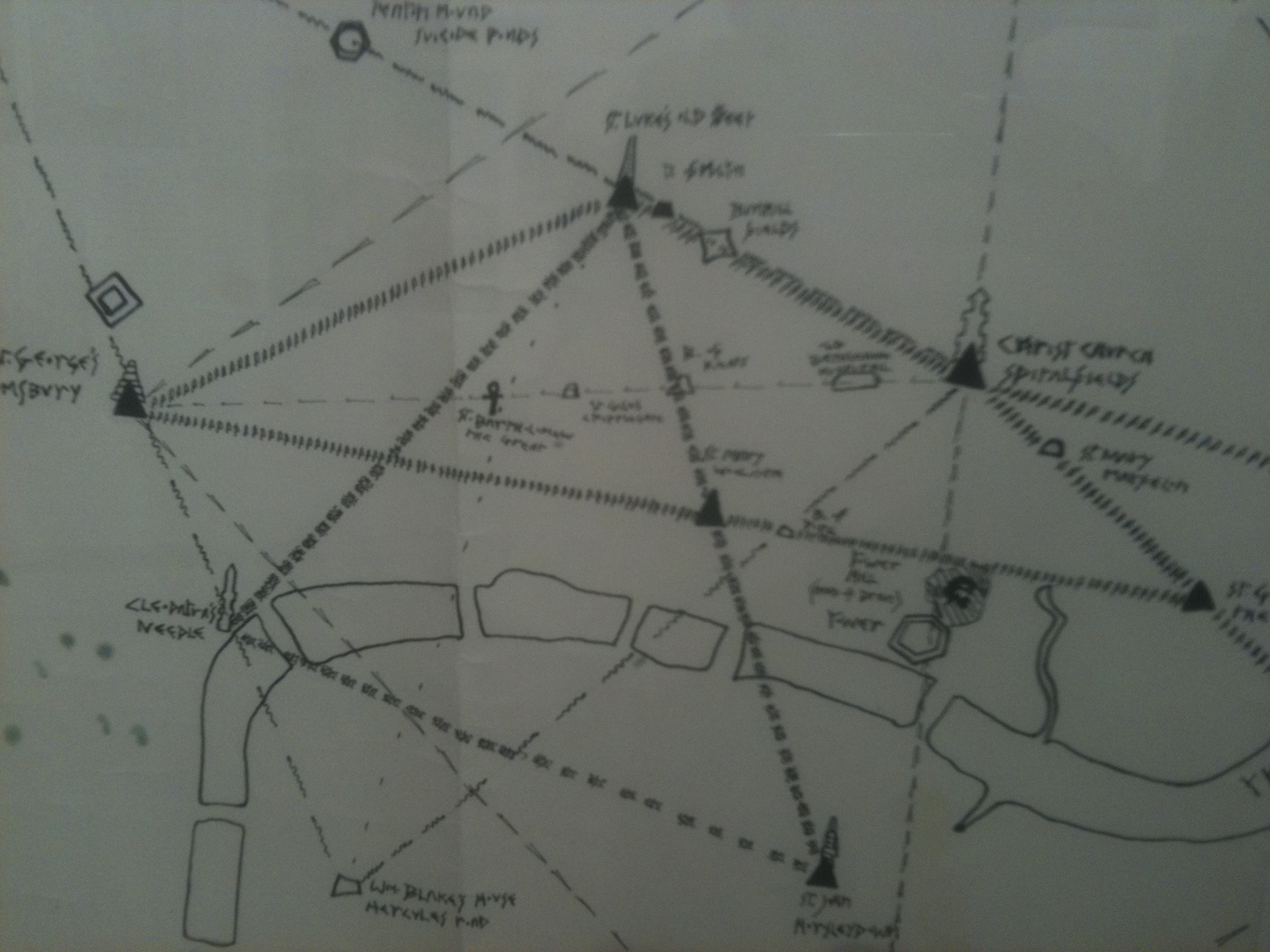
Sinclair has made a career out it, and he does it so well you could almost believe he takes it seriously. A fascinating map drawn by him features in the exhibition, showing his hand-drawn connections between London buildings, and there’s also a great film in which he talks eloquently about his relationship with Hawksmoor, which began when he was a gardener employed by Tower Hamlets to mow the churchyard grass at St Anne, Limehouse. Sinclair is a wonderful speaker, and spins a fine yarn here.

Sinclair’s map for King Lud

After Sinclair came Ackroyd and Alan Moore, both of whom woves tales of occultish imagination around this indefinable mystery of Hawksmoor churches. Nonsense clearly, but at least it gave us the majestic From Hell, which features prominently in the exhibition.

From Hell featuring Christchurch, Spitalfields

All this bunkum gets space in the exhibition, but I found much else to entertain besides. There are wonderful photographs and prints of Hawksmoor buildings in many different styles and from varied eras, and also a passionate film by Ptolmy Dean, explaining – quite successfully – the attractions of the easily overlooked St Mary Woolnoth near the Bank of England.

The most interesting element, however, were the photos that drew attention to the parallels between Hawksmoor’s work and more recent buildings. We see a comparison of St Mary Woolnoth and Poultry in the City, and another between St Anne, Limehouse and the National Theatre. It might not be as sexy as psychogeography, but there’s nothing wrong with a bit of straightforward architectural history every now and then.

Secret London: photos of lost rivers and abandoned London

Lovers of London urban landscape, lost rivers, photography and, for want of a better word, psychogeography, should be aware of a forthcoming exhibition, From The Westbourne To The Wandle at Maggs Bros gallery.

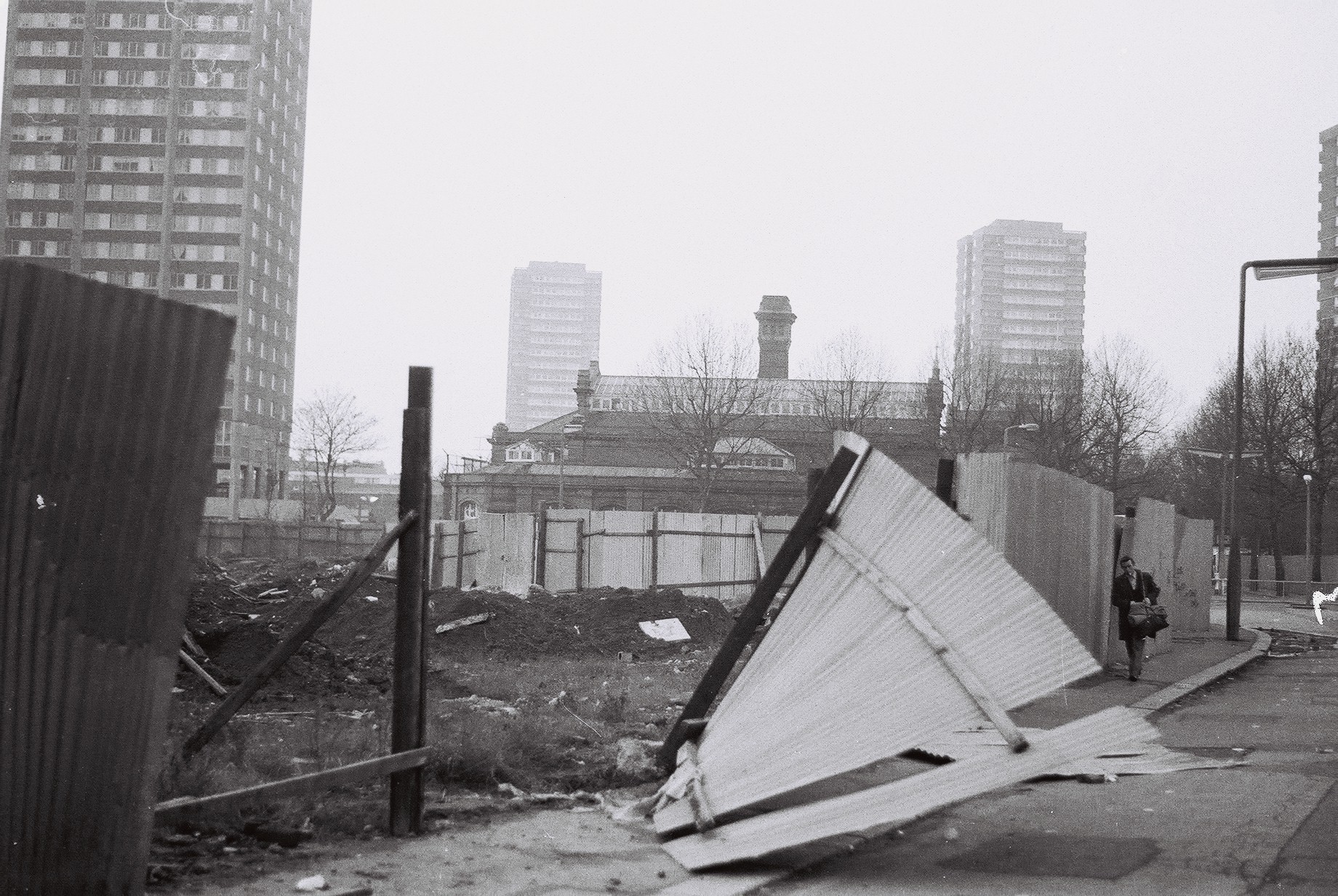
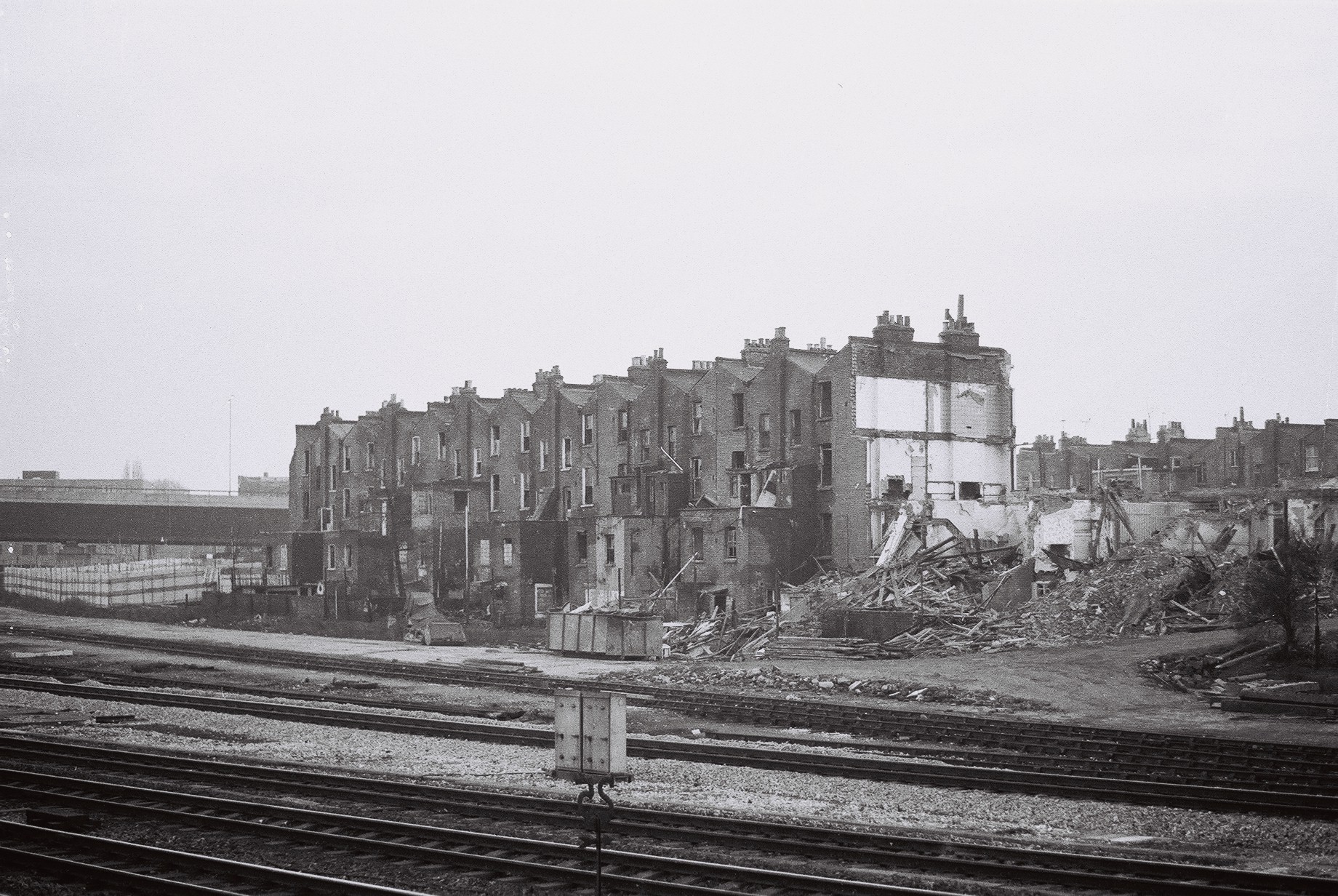
Curated by counterculture bookdealer Carl Williams, this brings together the work of two London photographers and writers, Jon Savage and SF Said. Savage is best known as a music writer, but in 1977, inspired by JG Ballard, he set out to photograph the urban wastelands of West London, taking a sequence of stunning black and white pictures of the lost land beneath the Westway.

He has written, ‘In its emptiness, austerity and gloom, it is an interzone waiting for something to happen, for the beasts to be unleashed. This was how London felt at the time: coming, coming, coming down – like a speed hangover merging into an apocalypse. But in there was also a sense of possibility that new ways of thinking might grow from this emptiness – like the scented buddleia on the bombsites.’

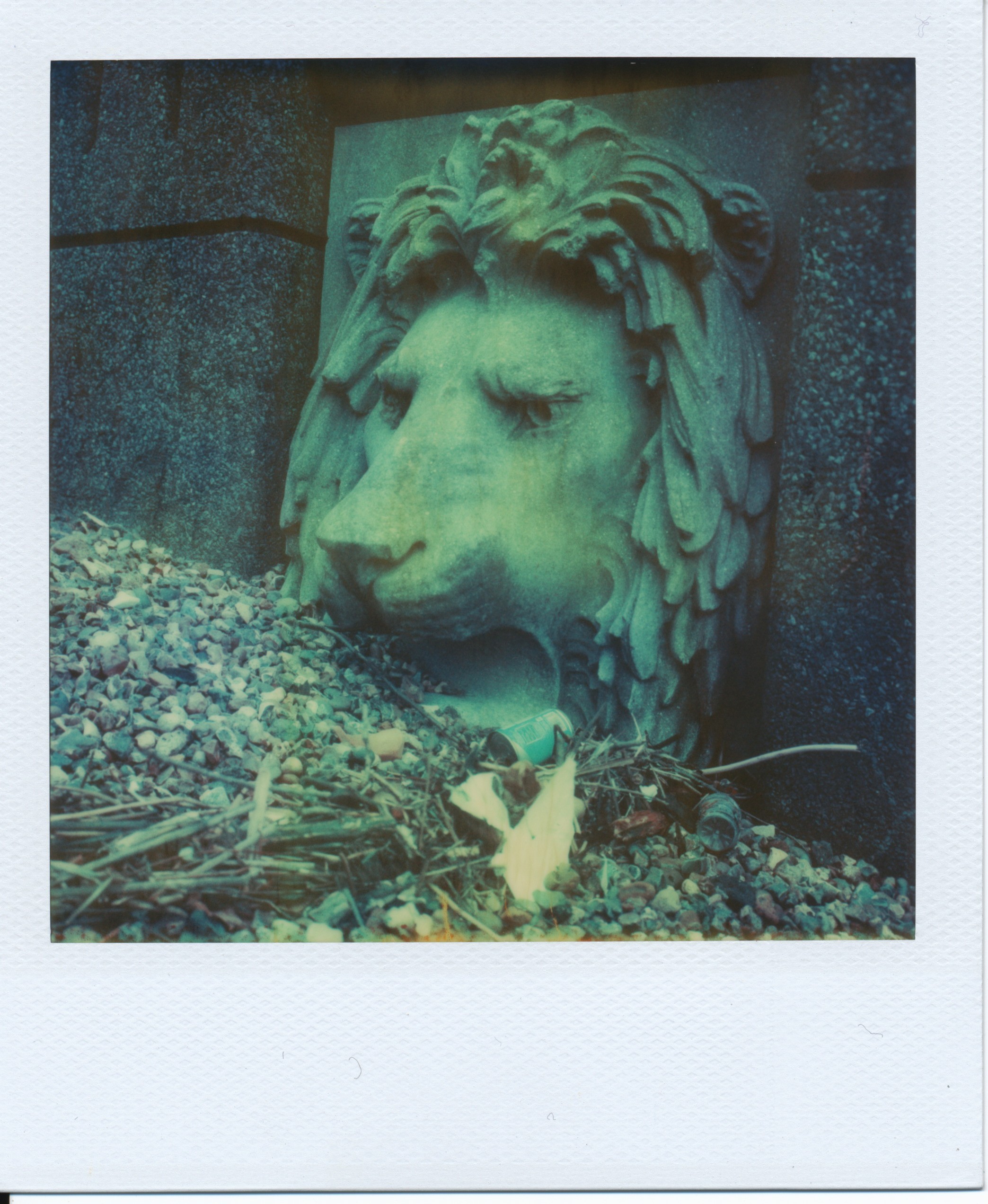
SF Said’s picture were taken for last year’s excellent Lost London Rivers book. Said shoots on Polaroid, which he describes as like a ‘photographic time machine’ and says he wants to ‘capture the dreams that a place might have of itself, or the memories that it stores under layers of time’.

He uses expired film, which can create strange, mesmeric effects and explains ‘as their chemical layers decay, they start to produce strange flame-like swirls and flickering light leaks that go even further into dreamlike realms.  These hallucinatory effects are unpredictable and random; sometimes they ruin a picture.  But when you’re lucky and it all comes together, I think they give you something magical that you could never get any other way.’

The exhibition is at the gallery at Maggs Bros, 50 Hays Mews, W1J 5QJ from March 22 to April 19.

The Gun Club

I have a piece in the latest Uncut about the Gun Club, the band fronted by Jeffrey Lee Pierce. The Gun Club trailblazed the kind of killer punk-swamp-country-blues later taken on, more lucratively, by Nick Cave and the White Stripes.

Born in California, Pierce settled in London in 1985. He spent a lot of his time hanging out at the Batcave, the Goth nightclub in Soho’s Dean Street.

Pierce left London in 1995, when he was deported after wielding a samurai sword in a Kensington pub. Which makes this trailer for what appears to be an Italian documentary from 2008 all the more intriguing, as it features Pierce wielding a samurai sword in London in 1992. (I’m not sure if it is the same film as this 2006 documentary, Ghost on the Highway.)

Pierce was a talented enigma, who made some amazing music. They also wrote the best song title ever, in Sex Beat, which pretty much sums up what all rock ‘n’ roll is really about.

o

Blank Generation: original punk posters in South London

In 1977, Gary Loveridge spotted a Damned poster that he liked the look of hanging on the wall at his local record shop in Weston Super Mare. He decided to take it. ‘It was on the wall of the listening booth. I took it off the wall, rolled it up and stuck it under my jumper. I walked out, looking very suspicious. They probably knew exactly what was going on.’

And so it began. Loveridge, a landscape gardener, now has around 250 original music posters, and 100 devoted to punk are on display until March 8 at the 198 Gallery  on Railton Road. Not all were collected in quite the clandestine way of the first, but they are all original and numerous bands are featured, including the Sex Pistols, Clash, Ramones, Lurkers, Buzzcocks, TV Personalities, Mekons, Elvis Costello, Ian Dury, PiL and Siouxsie and the Banshees.

The Damned poster that got it all started

‘This is the first time I’ve seen them all on the wall together in one place,’ says Loveridge. ‘At home they are all in tubes, some on the walls but I haven’t enough room to put them all up.’

The posters were largely used to promote LPs and singles in record shops, although there are some from bus stops and concert venues. Most such posters will have been thrown out by the stores, making such a large collection quite unusual. Loveridge collected many on his way from gigs in Bristol, and then later added to his collection at markets and record fairs.

The exhibition takes in two rooms and also features part of Loveridge’s collection of badges, flyers, fanzines and other ephemera, some of which – such as the flyers for the Sex Pistols banned tour – are much sought after. Also on display is a framed advert from 1977, cut out from a local paper, promoting a gig by a mysterious band called The Spots. Now who could they be?

Punk was an incredibly visual movement, as one would expect from something inspired by glam and Situationism and created in art schools and clothes shops, so these posters are eye-catching and iconic.  A small selection are reproduced below, but the real thrill is seeing them collectively and close-up; many have pulled from walls and windows so have an authentically battered look, while the accumulation of colour and striking design is a treat for the eye. But you’ve only got six weeks, so hurry.

Blank Generation: A Collection of Original Punk Posters, 198 Gallery, 198 Railton Road, SE24 0JT. Until March 8, 2012

Spiral Scratch by Buzzcocks

Pretty Vacant by Sex Pistols

The Clash at Brixton Academy

The Mekons at North Staffs Poly

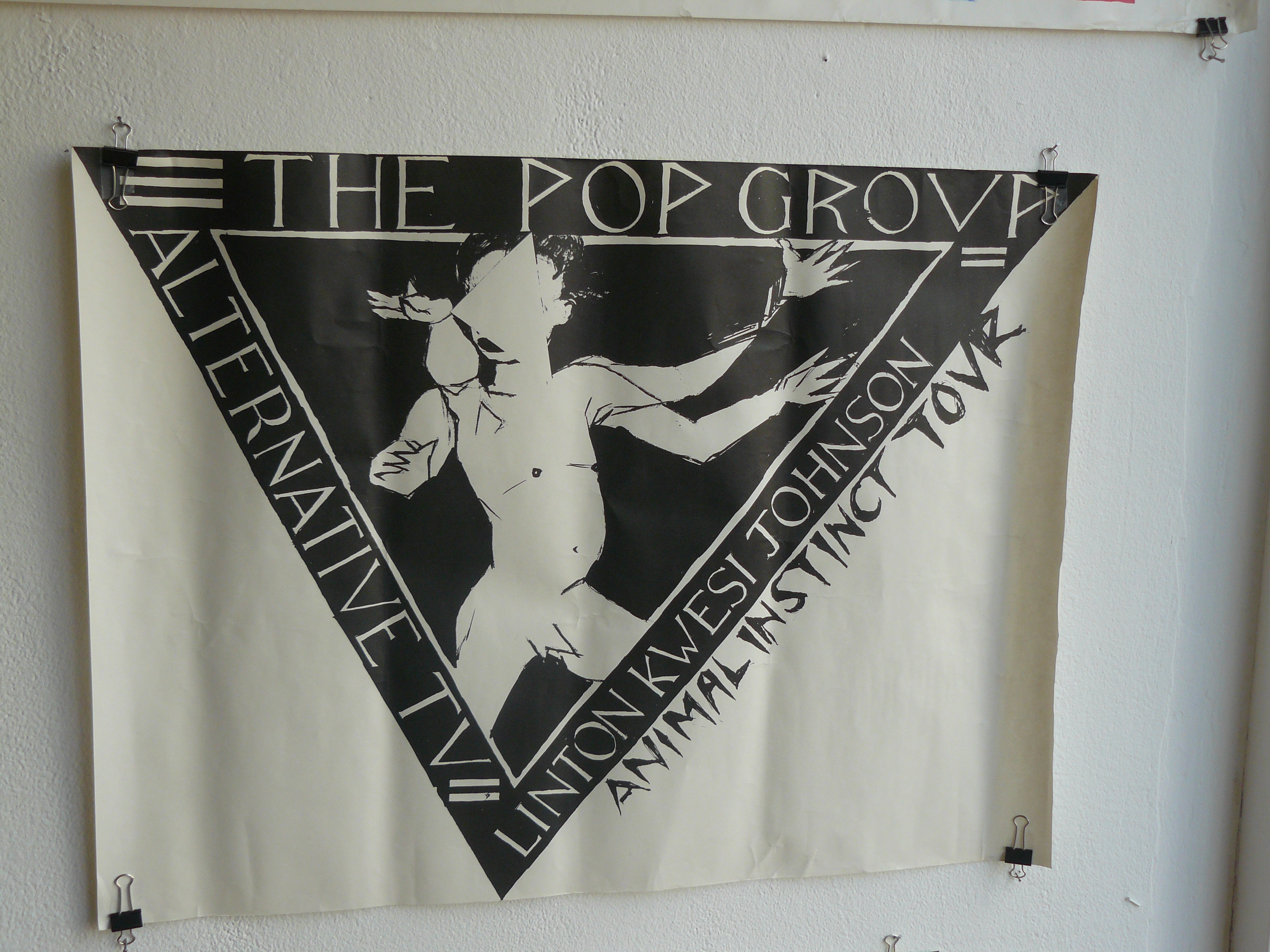
The Pop Group and Alternative TV

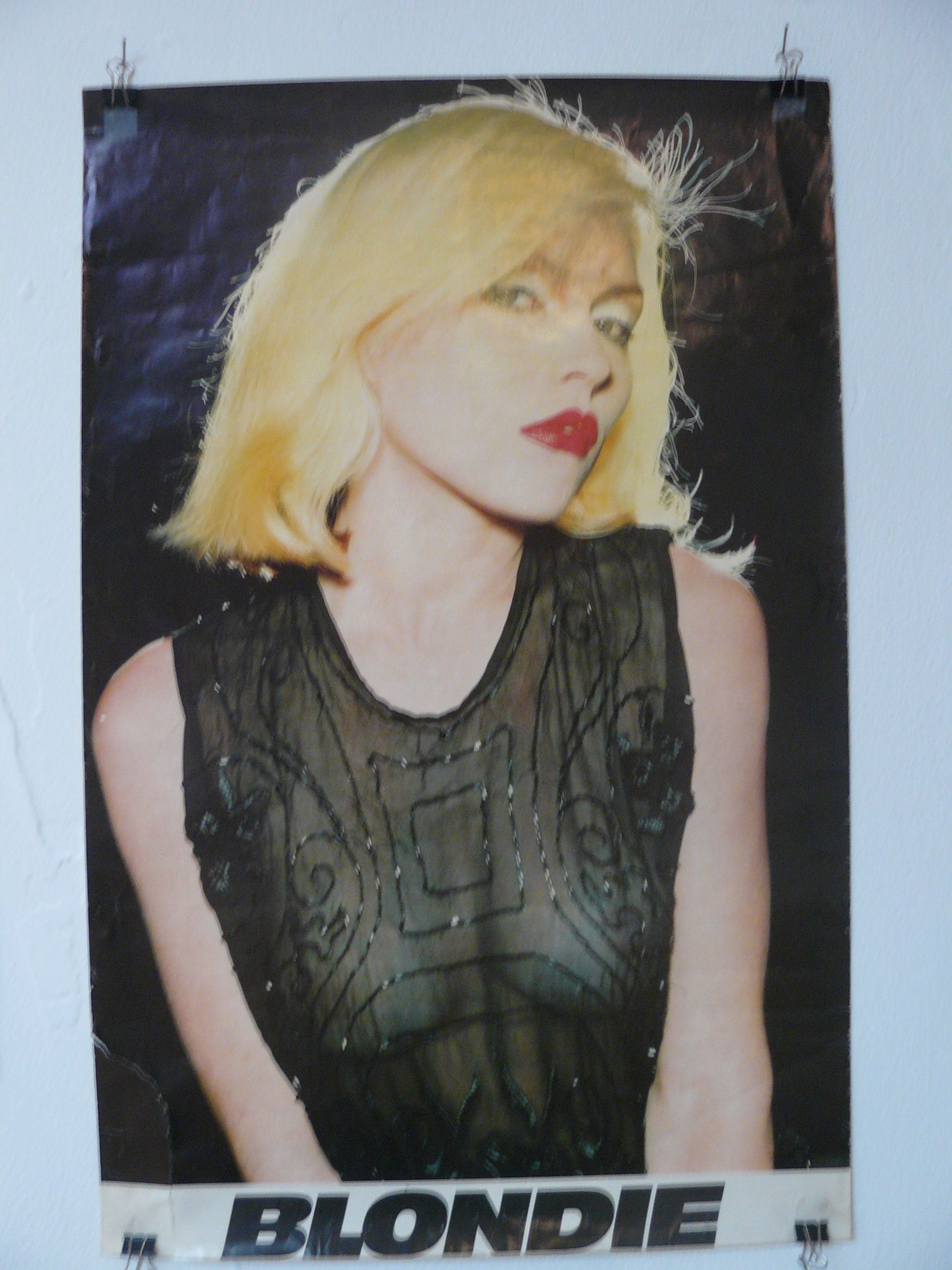
Blondie poster rejected by band as it featured only Debbie Harry

Elvis Costello

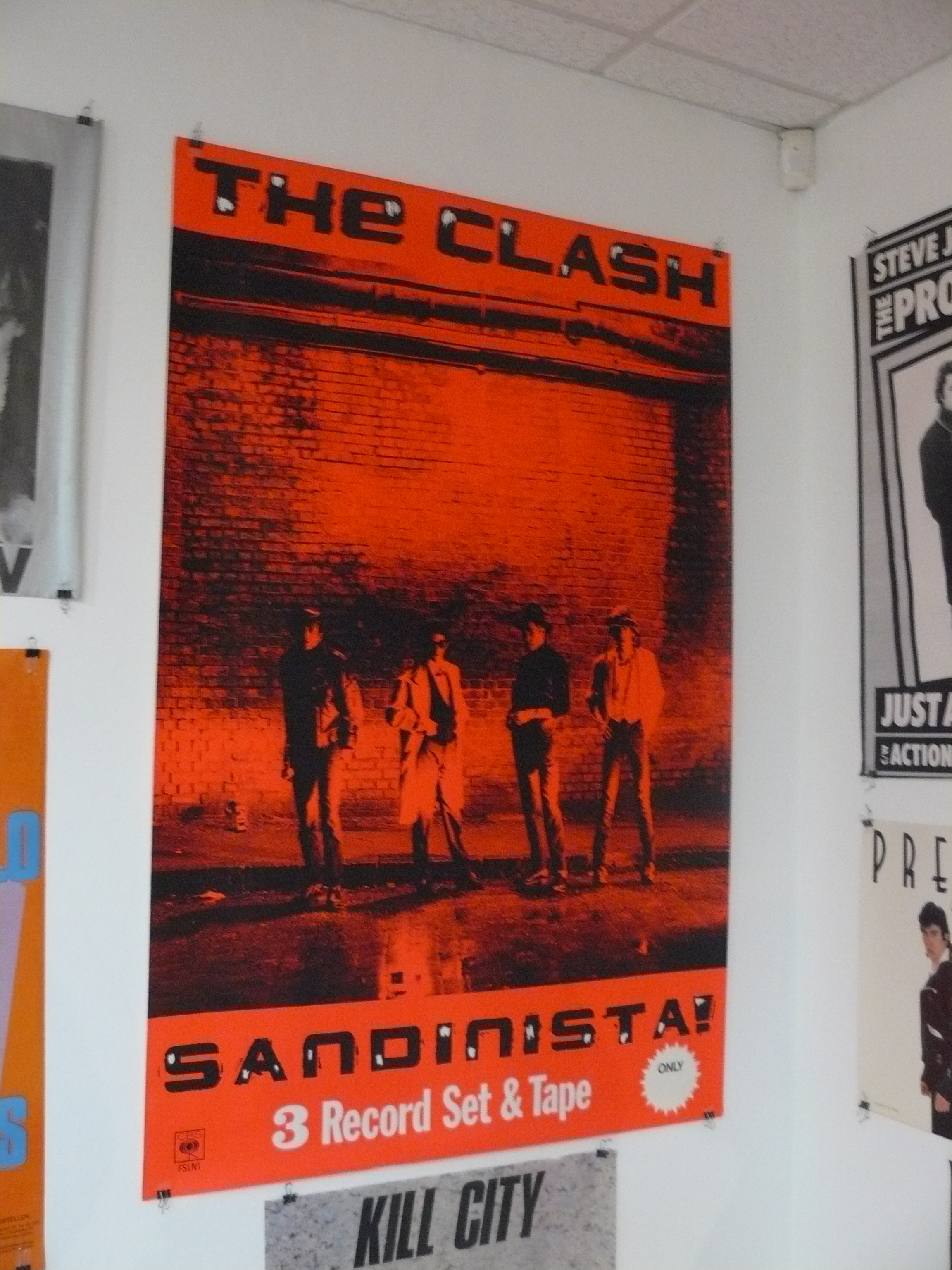
Sandinista by The Clash

The Only Ones

Siouxsie And The Banshees (with Human League third on bill)

London Calling by The Clash ('two for a fiver!')

Sex Pistols - used to introduce the band to the United States

Ian Dury

Sex Pistols

The Jam

Badges and flyers

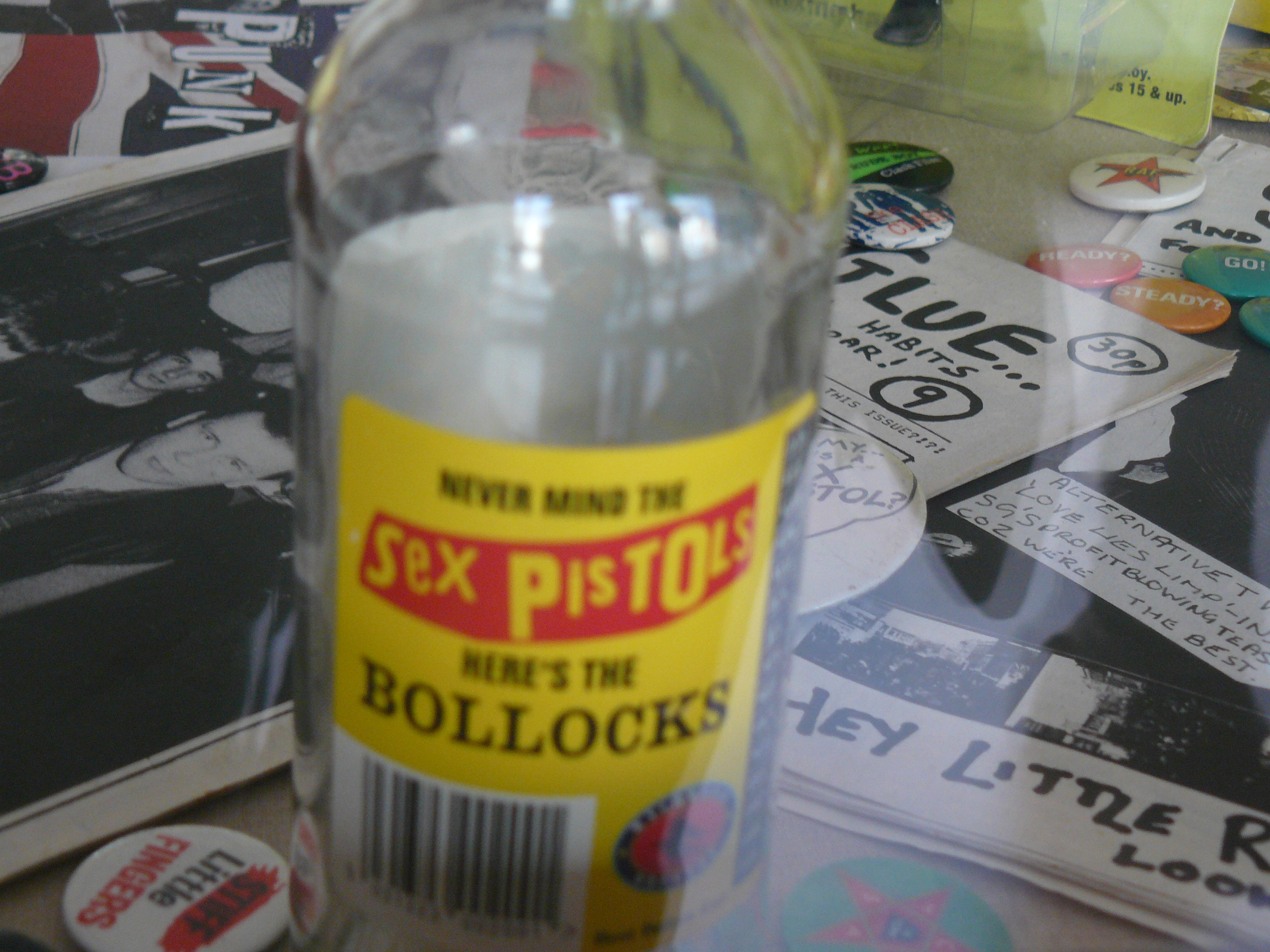
Never Mind The Bollocks beer and fanzines

Sex Pistols flyer from SPOTS tour

My Fair Lady: the pun that nobody noticed

It has come to my attention that a substantial number of people do not realise that the title of My Fair Lady is a pun. It’s a play on the way a Lisson Grove-raised flower girl like Eliza Doolittle might pronounce Mayfair, if she wasn’t really a cockney at all but merely a Hollywood actor pretending to be one. Mayfair/Myfair – the drooping, elongated ‘y’ is a classic, if exaggerated,  symptom of the cockney mode of speaking,

Say it yourself in your best, daftest, Eliza Doolittle accent – Mwyyyy Fair. Sounds a bit like Mayfair, doesn’t it? If you don’t believe me, here’s Alan Franks saying the same thing, eventually.

So there you are. Here’s a scene from the film with Audrey showing off her accent at its very worst.

Look At Life – London newsreel bonanza

I’ve just come across a treasure trove on You Tube of old Rank Look At Life newsreels, each ten-minutes long and looking at different aspects of London life. There are some real treats to be found, but here are a few I enjoyed when I should have been working, or at least making a cup of tea.

Members only, 1965 – inside London’s private clubs

Coffee bar, 1959 – the new world of Soho’s coffee shops

Goodbye, Piccadilly, 1967 – a portrait of Piccadilly Circus

In Gear, 1967 – an iconoclastic look at Swinging London

Top People, 1960 – the crazy world of highrise living

Shopping By The Ton, 1960 – Covent Garden, Smithfield and Billingsgate markets

Report on a River, 1963 – a love letter to the Thames

Muhammad Ali in Tulse Hill, 1974

In 1974, a picture was taken of Muhammad Ali at Tulse Hill Comprehensive, sparring with a schoolboy.

But how did the world heavyweight champion – and one of the most famous men in the world – end up in a South London state school shortly after the Rumble In The Jungle with George Foreman in Zaire?

Well, he was invited by civil rights campaigner Paul Stephenson, who was on the school’s board of governors and thought it would be a good idea to ambush Ali in the lobby of the Hyde Park Hilton and suggest he come to the school assembly.

We continued to chat and he wanted to know how much I’d pay him. I looked him straight in the eye and said: ‘Muhammad, I haven’t got a dollar.’ He responded ‘Not even a dime? You have more nerve than Frazier.’

The full story is here, and it’s a cracker.

James Watt’s workshop at the Science Museum

This piece was originally published in World of Interiors in December 2011.

James Watt was not a tidy man. Inside the Scottish engineer’s eighteenth-century workshop, shelves are thick with dust and overlapping objects of marvellous obscurity. It’s chaotic, but it is the past, a life perfectly preserved. Almost 100 years ago, this attic room was moved from Birmingham and reconstructed at the Science Museum, but the public have only recently been readmitted. It’s a delightful and very human sight. Unlike the modern scientist’s sterile laboratory, items are stuck to wall and floor, or piled harum-scarum on shelves, desks, tables, lathes and huge wooden machines of curious design. There are 8,434 objects all told, each lovingly listed on an exterior wall. Pincers, mallets, drawer knobs, hacksaws, charcoal, ladles, a frying pan, washers, broken thermometers, bent wire, drills, bradawls (six without handles), packages of chemicals wrapped in yellow paper and tied with brittle string, lumps of metal, fossils, half-finished statues, cogs, pieces of wood, barrels full of plaster of Paris and a clock key. There’s even, or so it says, a sea horse tooth. Nothing thrown away. This is the testimony of a life in science, and it looks exactly as Watt left it almost 200 years ago.


Watt was born in Greenock, Scotland in 1736. For several years, he quietly sold scientific instruments, musical instruments and toys from a shop in Glasgow but he had a curious mind and was an inveterate tinkerer. In 1776, he completed a steam engine that used a fifth of the coal of the existing engine. Factories and mines all over the country were soon powered by Watt engines as Britain surged into the steam-driven Industrial Revolution. Watt became a hero, as crucial to the national identity as Wellington and Nelson. On his death in 1819, he was the first engineer to have a statue in Westminster Abbey, although it was later removed as it was grotesquely large. His legend was international. In Japan, the state dispensed prints of Watt to promote the British values of industry, resilience and ingenuity that he embodied.

Watt began work on the steam engine in 1764 and moved to Birmingham ten years later taking with him the tools, fixtures and fittings he had accumulated in Glasgow. In 1790, he settled in Handsworth where he had his final workshop, a garret room where he could work undisturbed. In this dark space, Watt drilled, sawed and chiselled, experimented with chemicals, and developed a variety of extraordinary devices, including a perspective drawing machine, a letter-copying press and a sculpture-copying machine. He often had to make for himself the tools he needed for his inventions, including what Science Museum curators think is the oldest circular saw they’ve ever seen. The impression gained is of somebody who loved using his hands, and was always looking for ways to improve production, to make more things, and faster. He was a solitary soul. To ensure he could work without interference, Watt built a shelf outside the door on which the maid could leave his dinner. When he was ready, he would bring it inside and warm it on the stove. There’s a hint of sadness too. In one corner lies a chest full of things that belonged to his son Gregory, who died of tuberculosis in 1804. It seems Watt kept it here, close by, for 15 years until his own death.

At which point, the door was closed and the room left untouched. Even as the house was occupied by new families, the workshop was kept as Watt had left it for more than a century, with drawers full of half-made thermometers wrapped in wax paper and surfaces strewn with rusty hinges. It became a shrine. One visitor commented, ‘the dust lay so thick it was like walking in soft snow’. One pilgrim was Bennet Woodcroft, who ran the Patent Office Museum, part of the South Kensington Museum. Woodcroft was acquiring key artefacts from the Industrial Revolution and in the 1860s registered an interest in the room. However, it was not transferred until 1924, by which time Woodcroft was dead and the Patent Office Museum had become the Science Museum.

They took everything– not just the furniture and contents but the floorboards, door, window frames, fireplace, stove and flue – and reconstructed them on the ground floor of the museum. Workman even asked if they should remove the dust. The public would peer through a window above Watt’s workbench and observe a scene almost identical to the one painted by visiting artists in 1864 and 1889. But by the 1970s, it had become a museum relic. The room was moved to the mezzanine, where it was ignored for another couple of decades before being ignominiously boarded up. Staff could still reach it if they took the wrong door out of the admin office, but the public would never know it was there.
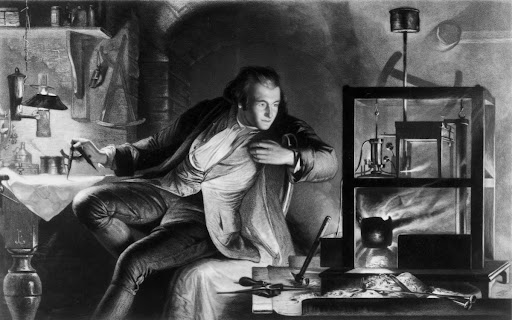
So it remained until earlier this year, when the room was returned to the ground floor and made the centrepiece of an exhibition that examined Watt’s life in the context of the Industrial Revolution. In an act of domestic archaeology, objects were removed from drawers where they had been invisible for centuries as curators resolved to explore every nook and cranny. These were then replaced exactly where Watt had left them.

The exhibition shows that Watt was a scientist but also a workman, constructing by hand the very machines that made mass production possible. Years later, William Morris would reject the industrialised world that Watt had created, but the two had something in common in their love of forming things by hand. However, Watt’s inventions meant things no longer had to be created at such labour and expense, and people could choose for themselves the design and furnishing of their home rather than rely on what was passed on to them by their forefathers. It was the start of the consumer age, making Watt was partly responsible for many of the decorative items that can be studied at length next door at the V&A Museum. When Woodcroft visited Watt’s workshop, this relationship between industry and design would have been more apparent. The South Kensington Museum was essentially the Science Museum and the V&A combined, and had been created partly to inspire the working class with technique as well as design, showing not just beautiful objects but also how they were made. Now cause and effect, science and art, are divided by the bustle of Exhibition Road. But enter Watt’s workshop, and just for a moment the two become one.

Dickens And London at the Museum of London


This review was published in the Independent last week but has not surfaced online.

It’s going to be hard to avoid Charles Dickens in the next few months. The writer will be everywhere, as publishers, programmers and producers commemorate the 200th anniversary of his birth on February 7, 2012. The best celebration of Dickens’s legacy could be this illuminating exhibition at the Museum of London. It’s an imaginative look at a familiar subject, and represents the best of what a museum can do.

This is no staid trawl through Dickens’s back catalogue but a vivid evocation of Victorian life based around themes from his books, from poverty to innovation. Sure, the big objects like Dickens’s writing desk or his manuscript for Great Expectations are there to grab the attention, but this drama is complemented by Victorian minutiae, the fascinating bric-a-brac of everyday life, everything from rent arrears books and mourning wands (wooden sticks carried by footmen ahead of funeral processions) to clay pipes, Punch and Judy puppets, model trains and Dickens’s soup ladle.

The exhibition is more than objects. There are mournful photographs of Victorian buildings that Dickens wrote about but have since disappeared, and a short film by William Raban that meanders around modern London while an actor recites Night Walks, Dickens’s essay about the sleeping city, drawing subtle parallels between his time and our own. The film is a rare chance to wallow in Dickens’s own voice, but neither this nor the manuscripts are quite as impressive as Dickens’s reading copy of Oliver Twist. This is the book he used on reading tours towards the end of his life; words and sentences are underlined for emphasis, and melodramatic stage directions (‘Action’, ‘mystery’, ‘terror to the end’) are scrawled in the margins.

Most rewarding of all, though, is the art. There’s classically sentimental Victoriana, such as William MacDuff’s Shaftesbury, which shows two urchins looking in a shop window like something by Norman Rockwell. There’s the fascinating documentary sketches of George Scharf’s, who drew the people he saw on streets acting as human advertisements, in colourful costume and carrying eye-catching signs for shows and products. And there are many detailed depictions of Victorian street life, which owe a clear debt to Hogarth. Phoebus Levin’s ‘Covent Garden Market’, Caleb Robert Stanley’s ‘The Strand, Looking Eastwards From Exeter Change’ and especially Edmund John Niemann’s ‘Buckingham Street’ portray a city of energetic bustle, cobbled streets and vicious contrasts of wealth that are the visual embodiment of what we still call Dickensian London.

Museum of London, 150 London Wall, EC2Y 5HN (020 7001 9844). Until June 10, 2012. Admission £8 (£7 advance booking); concs £6 (£5 advance booking).