Category Archives: London

Peter Hitchens on drugs and the moral, opium-eating, Victorians

Peter Hitchens is a very clever man. I’m sure he’s also sincere – I can’t believe British newspapers would employ somebody to say stupid and provocative things just to get attention, after all – but judging by the interviews he’s conducted for his new book about drugs, The War We Never Fought, he’s a little bit daft.

Hitchens theory is that there has never been a war on drugs. ‘Drug-taking was, in effect, decriminalised by the Misuse of Drugs Act 1971,’ is how Decca Aitkenhead paraphrases. Instead, he harks back to the golden age of the Victorians, when there was ‘increasing self-imposed moral conduct’ (Hitchens’ words.)

Where to begin with this nonsense? Well, let’s just stick to the last bit, those morally virtuous Victorians. In a sense, he’s right: the Victorians didn’t take illegal drugs. That’s because they were too busy snaffling down the legal ones – things like opium, cocaine and cannabis – which were available to just about anybody who needed them until 1868, and then over the counter from chemists until 1926. This was the golden age of drug-taking in Britain, with opium being consumed on a scale we could scarcely now believe.

Victorian London was awash with opium, not in semi-mythologised Chinese opium-smoking dens in Limehouse (of which there were very few), but in pubs, chemists, general stores and markets, where it was sold in bottles, powders, pills, lozenges, on plasters, in sweets and much else besides. The centre of trade was in Mincing Lane, London, where 90 per cent of transactions occurred. It was most commonly taken as laudanum, a tincture of opium and red wine, with saffron and cinnamon.

This was not thrill seeking. In the days before aspirin, opium was one of the few reliable painkillers available to Victorians, especially especially fever and diarrhoea, but also malaria, smallpox, syphilis and TB. And it was effective as well. As anybody who has taken codeine or morphine will confirm, opiates have a tendency to block you right up – something that was particularly helpful when the next cholera or dysentery epidemic was just around the corner.

However, opium was also used on children, particularly when teething, in specially formulated sweet concoctions like Godfrey’s Cordial and Mrs Winslow’s Soothing Syrup, and thus surely led to the deaths of many by overdose. It also, believes the drug’s historian Martin Booth in Opium: A History, ‘provided an escape from the misery and vicissitudes of working-class life.’ This was especially the case in the Fens, where ‘many never take their beer without dropping a piece of opium into it.’

Because of these two factors, opium was belatedly seen as a physical and spiritual danger, and Victorian abstinence advocates put it right up there with alcohol and tobacco as serious threats to British life. What’s interesting, though, is the way – anecdotally at least – users were able to effectively and relatively painlessly self-medicate, living normal decent lives despite their addiction, without resorting to crime. This is true for the working classes, it’s true of the famous opium-eating writers like Coleridge, Shelly, Keats, Collins and De Quincey, and it’s also true of the many great statesmen – the sort of people who shaped the British Empire so beloved by Peter Hitchens – who took the drug. You see, because opium was the only halfway reliable painkiller around, everybody took it – including people like William Wilberforce, the great Christian abolitionist, and William Gladstone, who popped some in his coffee before speaking in Parliament to improve his rhetorical powers – even if not all of them became addicted.

In later years, opium – and especially its stronger derivatives morphine and heroin – began to be used by those simply seeking a pathway to an altered consciousness, a shortcut perhaps to the sort of transcendent mystical experience some people get from religion. In doing so, they were merely following pattern taken by mankind in all civilisations since the dawn of time, however much Hitchens may wish that weren’t the case.

As restrictions were introduced – for opium, not alcohol and tobacco – drug-use declined massively and by 1960 there were less than 100 registered heroin addicts in the UK. They received their drugs from doctors, cheap and undiluted, and were largely able to enjoy a normal existence (at least in comparison with their criminalised counterparts in America). However, as drug use increased in the 1960s, restrictions were imposed, culminating with Hitchens hated Misuse of Drugs Acts in 1971, after which drug supply passed almost completely into the hands of the criminal and use immediately rocketed. A far cry indeed from those morally virtuous days of the 1850s, when Britain’s great and good could simply pick up a bottle of premium laudanum from their nearest general store and retreat into blissful opium dreams.

Wellcome to London: how Henry Wellcome ‘hoovered up the world’ and left it on the Euston Road

Wisconsin, 1858. A five-year-old boy is playing near his frontier home when a strange stone catches his eye. He takes it to his father, who examines the flint carefully before deciding that it was a prehistoric tool made thousands of years before to cut meat. It probably meant as much to its creator as the railway did to modern humans. ‘That excited my imagination and never was forgotten,’ wrote Henry Wellcome years later, after he had grown up, moved to London and accumulated one of the largest collections of scientific paraphernalia that has ever been gathered by a single individual.
Henry Wellcome

Wellcome established his pharmaceutical company, Wellcome-Burroughs, in 1880, making a mint selling pills to an English public that had previously taken medicine in the form of powder or syrup. This fortune sits in the Wellcome Trust, which was established 76 years ago and is now worth £14 billion, making it one of the world’s largest charitable foundations. Next door to the Wellcome Trust HQ on Euston Road, a short walk from St Pancras, sits the Wellcome Collection, a museum that houses some of the million or so objects collected by Wellcome in his lifetime. Here is Napoleon Bonaparte’s toothbrush, ancient sex aids, Chinese torture chairs lined with blades, boxes of false eyes, human skeletons and paintings by Van Gogh. It is one of the most extraordinary collections in the world, a throwback to a time when wealthy individuals would hoover up the weird and wonderful of the world for their personal collections, but executed on a scale few could compete with.

Ken Arnold is the Wellcome’s Head of Public Programmes. ‘This is the last great non-connoisseurs collection,’ he says. ‘Our usual concept of a collector is somebody who carefully decides whether something is authentic and then forks out a huge amount of money for it. Wellcome had an “other-end-of-the-telescope” approach. He saw everything through medical-tinted spectacles and wanted to own anything that would illuminate that fascination.’

Wellcome collected everything: paintings, engravings, photographs, models, sculptures, manuscripts, books, periodicals, pamphlets, letters, prescriptions, diplomas, medical instruments, archaeological finds, skeletons, skin, hospital equipment, advertisements, drugs, remedies, food, plants, microscope slides, charms, amulets, ceremonial paraphernalia, costumes, medals, coins and furniture. He bought entire shops, contents, fixtures and fittings, acquiring enough to recreate an entire street. He bought others collections, picked up human skulls from African battlefields and returned from one typical trip abroad with 44 packing cases of material. If something wasn’t available, he had an artist make a reproduction. Teams of buyers were finding him items right up until his death in 1936. His reach was broad and their brief was wide.

‘Wellcome had deep pockets and no bureaucrats telling him what he could bring home so he had none of our moral, financial or logistical concerns,’ says Arnold. ‘He hoovered up the world, and left us with this extraordinarily unwieldy and undisciplined collection.’ Although Wellcome amassed an immense collection, he was frugal with his money. ‘He was very wealthy, but he would send employees to auctions dressed down so they didn’t look too rich, and would set up fake companies so people wouldn’t know it was his money,’ says Ross MacFarlane, research officer at the Wellcome Library.

A chippy self-made American, Wellcome could never become part of the British establishment – although he was awarded both a knighthood and the French Legion d’honneur – and a desire to be taken seriously may have prompted his determination to create a museum of ‘the art and science and healing’. This opened in 1913 in South Kensington, before it moved to Wigmore Street and closing in 1932. When Wellcome died, the collection was put into storage or dispersed.

‘The British Museum has 40,000 objects, the Science Museum has more than 100,000, the Pitt-Rivers in Oxford has 30,000 items and there are bits in almost every museum in the UK,’ says Arnold. The Wellcome Trust has since taken a similarly philanthropic approach, funding wings in numerous UK museums, galleries and academic institutions.

In 2007, the Wellcome Collection opened. It is a modern, classy space, with a cafe and bookshop, as well as a gallery that hosts thought-provoking exhibitions that use art and science to explore topics such as Skin, Sleep and Brains. Their next exhibition, Death, promises to be particularly fascinating and challenging.

The Wellcome dares to be different: while most museums take an unfamiliar topic and wring all the knowledge out of it like a damp dishcloth, the Wellcome looks at something familiar and turns it inside out, using contemporary art and scientific research to make visitors question what they think they already implicitly understand. Their ability to do this can be traced back to Henry Wellcome himself.

‘We feel free to interpret the material Wellcome collected,’ says MacFarlane. ‘Because although we know when something was bought and what it cost, we don’t always know how it got to the auction.’ Arnold expands on this: ‘He didn’t talk about his philosophy. There’s enough to get an idea of why he was collecting, but there’s not so much that we feel we have to conform to his beliefs. He once said ‘Never tell anybody what you are planning to do until you have done it.’ That sounds like a good idea to me…’

So the Wellcome eschews blockbuster shows – which Arnold describes as ‘a depressingly greedy way to conduct exhibitions’ – and takes pride in imaginative live events. ‘We never try to be definitive,’ says Arnold. ‘There’s always more to discover. And we don’t want to be po-faced. Science is either deadly serious or fun with pink fluffy letters – and between these two unpalatable positions is a yawning chasm that can be filled with smart and sophisticated entertainment.’

Of course, the Wellcome is helped by having a lot of money in its coffers. ‘We are much more privileged that most other organisations. We are wealthy and we don’t have to satisfy civil servants, corporate sponsors or shareholders. But that attitude comes from the Wellcome Trust itself: science is a risk-taking business and there is a sense we are allowed to be experimental.’

MacFarlane finishes that thought, ‘When we take the directors an idea, they’ll often want to give it a go, and that’s a bit like how Wellcome collected. It’s a great position to be in.’

Wellcome Collection, 183 Euston Road, NW1 2BE. Admission free. The Wellcome’s next exhibition is Death, from November 15. 

Brixton Bugle: the future of local newspapers?

Even in these days of live blogs, hyperlocal websites and social media, it can be easy to miss news stories. While national attention focuses disproportionately on a handful of big stories – whether that be tweeting footballers or dead paedophiles – smaller bits of news, especially local news, can fall through the gaps of newspapers that often seem to be more interested in filling their pages with the contrived comments of tedious columnists so snobbish, banal and privileged they could be auditioning for a lead role in the next Ian McEwan novel. And the time spent registering a new profile so you can leave an angry comment about their latest inanities makes it difficult for the average person to find those precious seconds when they can check out and absorb the content of a website devoted to your local area.

This is where the traditional local newspaper used to step in, but, er, well let’s not talk about that. But in Brixton, there is a solution. The Brixton Bugle is a monthly free newspaper (affiliated to the Brixon Blog) that rounds up all the most important news in Brixton, Herne Hill, Tulse Hill and Loughborough Junction. Around 7,000 copies are published and handed out for free outside the tube once a month or given to local shops. And it’s really rather good, occasionally breaking news that the bigger but less focused South London Press can easily miss. Visually it can still be a bit shonky, but the content is good and it is easily the best way of keeping locals abreast of the changes, both large and small, taking place in Brixton (such as the plans to knock down the local Rec Centre), especially since the council’s own free paper was scrapped.

This sort of grassroots, hyperlocal newspaper, with low distribution costs, small staff, funded by local advertising and with close and committed connections to the area in which it operates has real potential, which is presumably why the Lebedevs’ Journalism Foundation has given the Bugle a grant and mentoring support.

There are plenty of London areas – the south-east for instance, or Barnet – that do not receive the attention they deserve from the existing print media, but which have strong blogging communities. Their work is impressive and they often get lots of attention when they break big stories, but there is still nothing quite like print for keeping an entire community – not just political nerds and news junkies – involved and aware of local developments that do not have headline-grabbing power. Will they heed Brixton’s trumpet call? Here’s hoping.

My interview with Brixton Bugle co-editor Tim Dickens for Completely London

Time Out and listings

Time Out went free this week. It wasn’t really a shock, the notion had been knocking around when I worked there, particularly when thelondonpaper and London Lite were stinking up the streets. The success of the free Evening Standard probably sealed the deal. The economics are unarguable: drop the cover price and circulation rises, allowing you to charge more for advertising. If you can simultaneously reduce costs – which they have been doing through regular redundancies – you may have a viable magazine once again. The danger, though, is that once the decision to go free has been made, there’s no going back…

What has it meant for Time Out? Well, the new magazine has less pages but still has plenty of previews, lists, bitty features and clunky ads, with just a couple of longer reads thrown in for us old-fashioned types. What it doesn’t have – along with book reviews –  is listings (at least in any meaningful sense), which was the reason Time Out was invented in 1968. (There’s also no letters page, which is a mistake if they still want to establish that vital personal link with readers, and one I think they will quickly rectify.)

This isn’t really a surprise. Successive TO editors have always struggled with the listings part of their brief: listings are ugly, boring and largely resistant to any sexing up, despite the best attempts of periodic and largely futile ‘redesigns’ (has a redesign of any magazine or newspaper EVER raised circulation?). They are also beyond the control of the editor, who has to leave them to section heads. Even editors who came from within the magazine, and therefore understood the centrality of listings to what Time Out did, didn’t actually appear to like them all that much. They take up valuable space from the exciting things an editor likes to do at the front of the mag and telling a section editor you are cutting their pages is a draaaag.

To make matters worse, listings do not do well when it comes to ‘page views’ or ‘unique users’, the trite and often completely useless method by which the value of anything in print is these days judged. And because people don’t click on listings on the website (for reasons that are so obvious I won’t even bother to explain), the logic goes, they don’t read them in print.

Hmmmmmm.

A number of people have noted that without decent browsable printed listings, Time Out has potentially rendered itself useless, but I don’t want to comment on that. What does interest me is that effect a lack of listings will have London’s smaller venues. The joy of TO‘s listings was that it gave the smallest museum or club as much prominence as the biggest and most well-funded, allowing readers to decide which to visit entirely on the merit of their programming. It’s this that made Time Out absolutely central to the rise of fringe theatre, avant-garde art, clubbing, burlesque and alternative comedy – each scene was created by individuals, but a free listing in Time Out coupled with enthusiastic support from in-the-know section editors took things to another level. Even larger venues have told me they noticed the difference in footfall when they were omitted from listings (by accident or for reasons of space).

Time Out obviously doesn’t have the circulation, and therefore the pull,  it once did and there are other specialist resources for those interested in the esoteric fringes of London’s cultural life, but the loss of listings will surely still be felt by venues that aren’t internet savvy or lack a large marketing department. The solution for many will be a prominent place in the preview part of the existing sections. Time Out‘s section heads will never have been in such demand… And PRs can be a dangerously homogenising bunch.

For more on the new Time Out, here’s Diamond Geezer (positive), Christopher Fowler (not) and Londonist (neutral). 

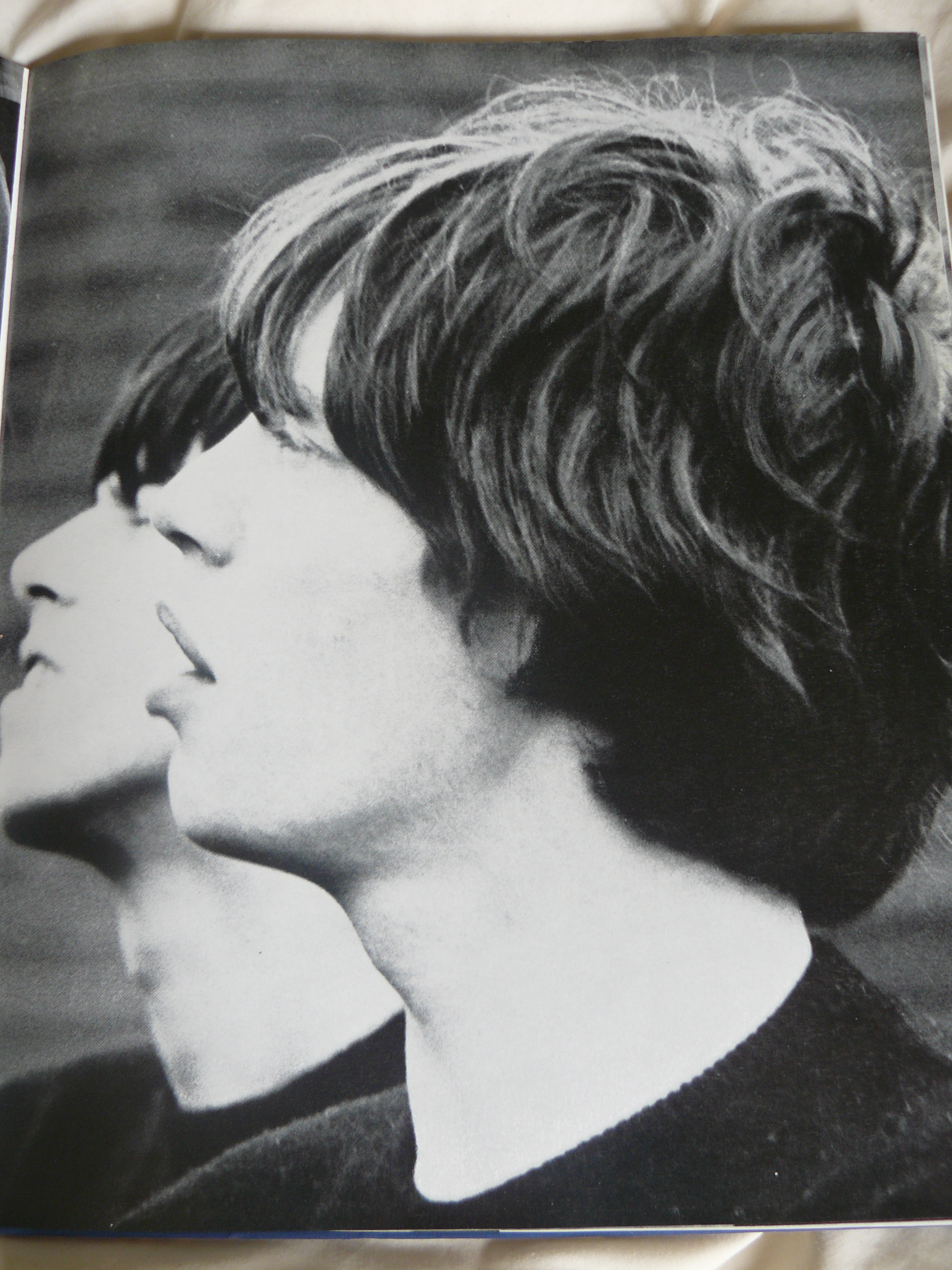
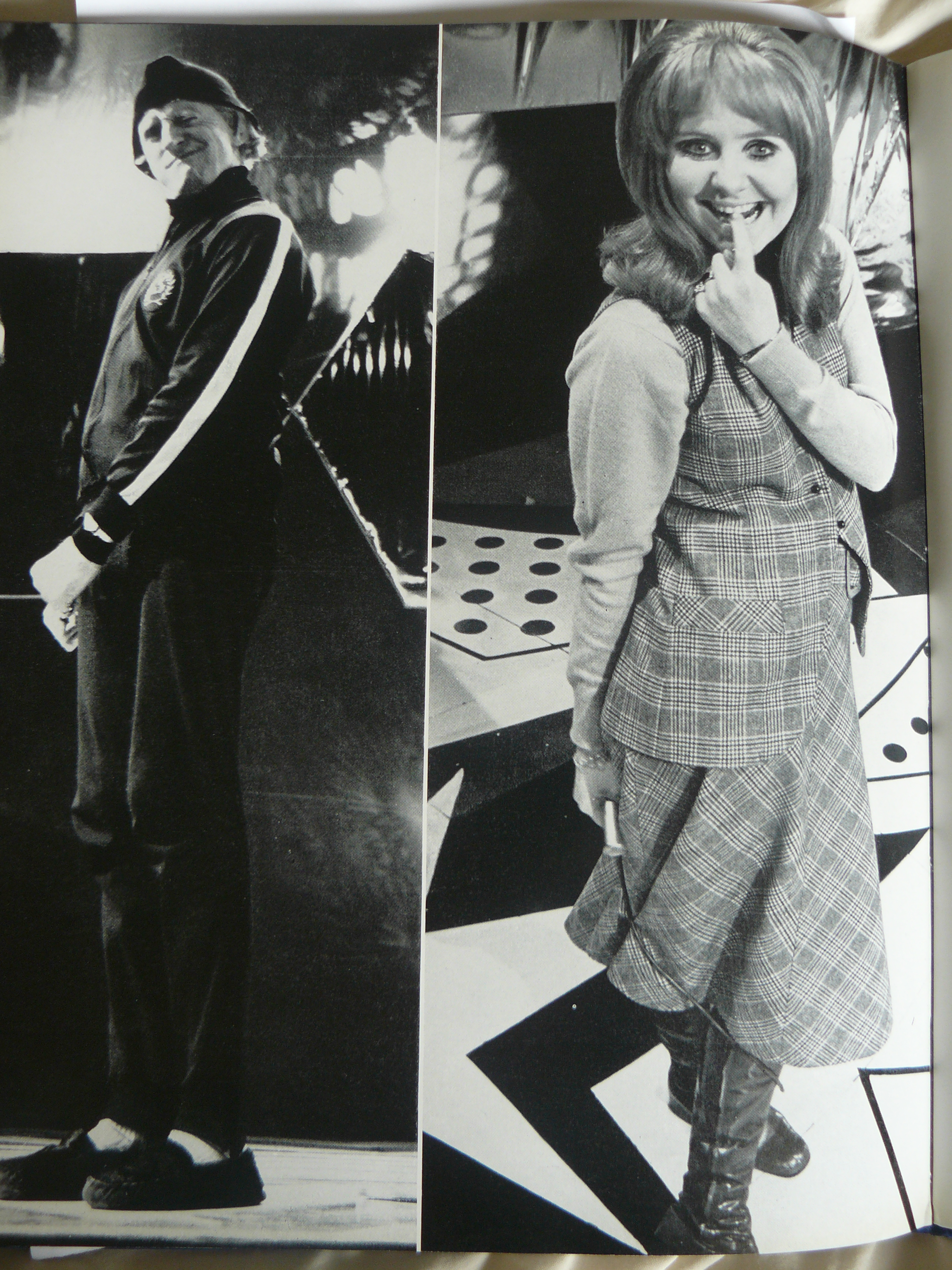
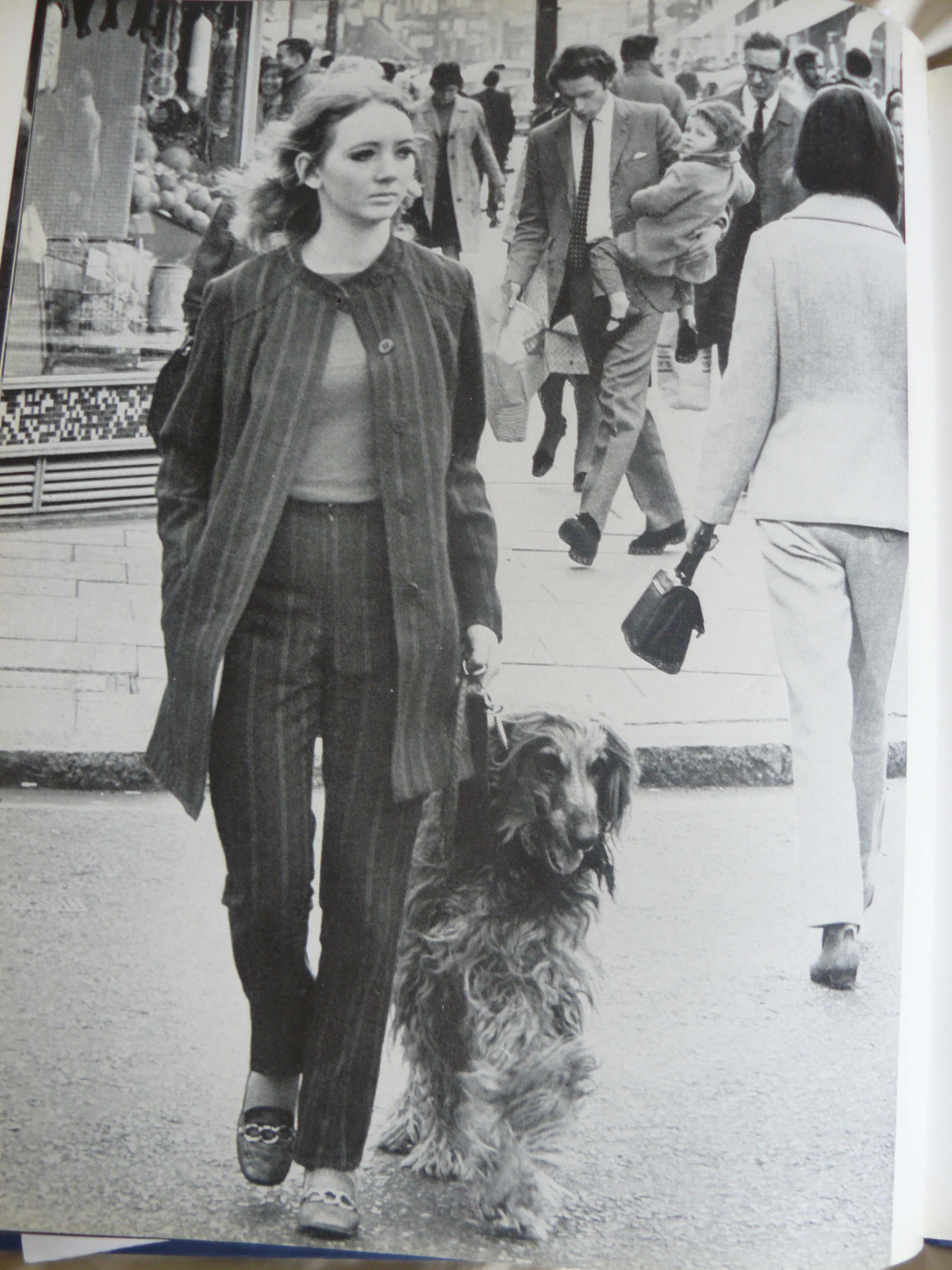
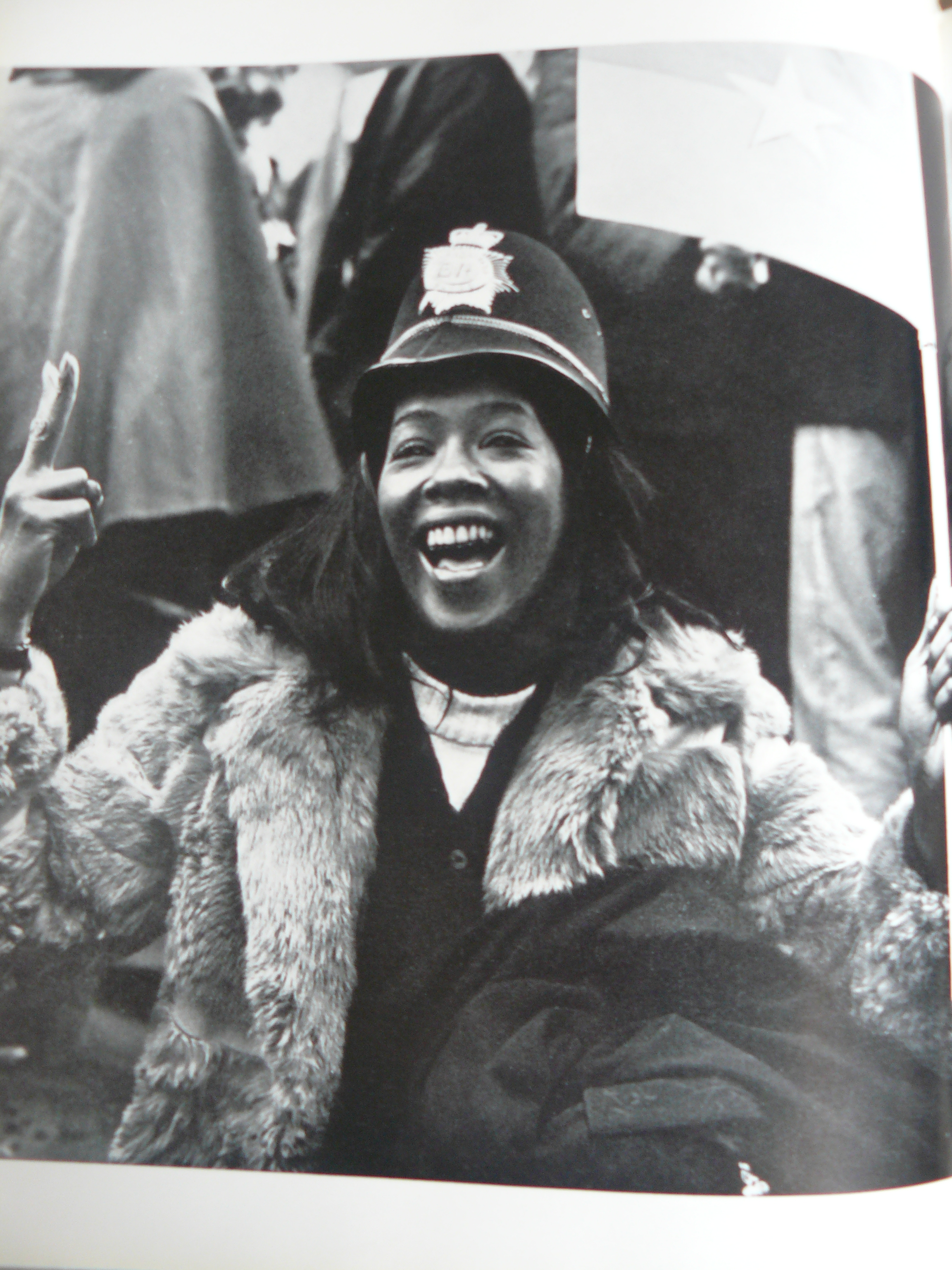
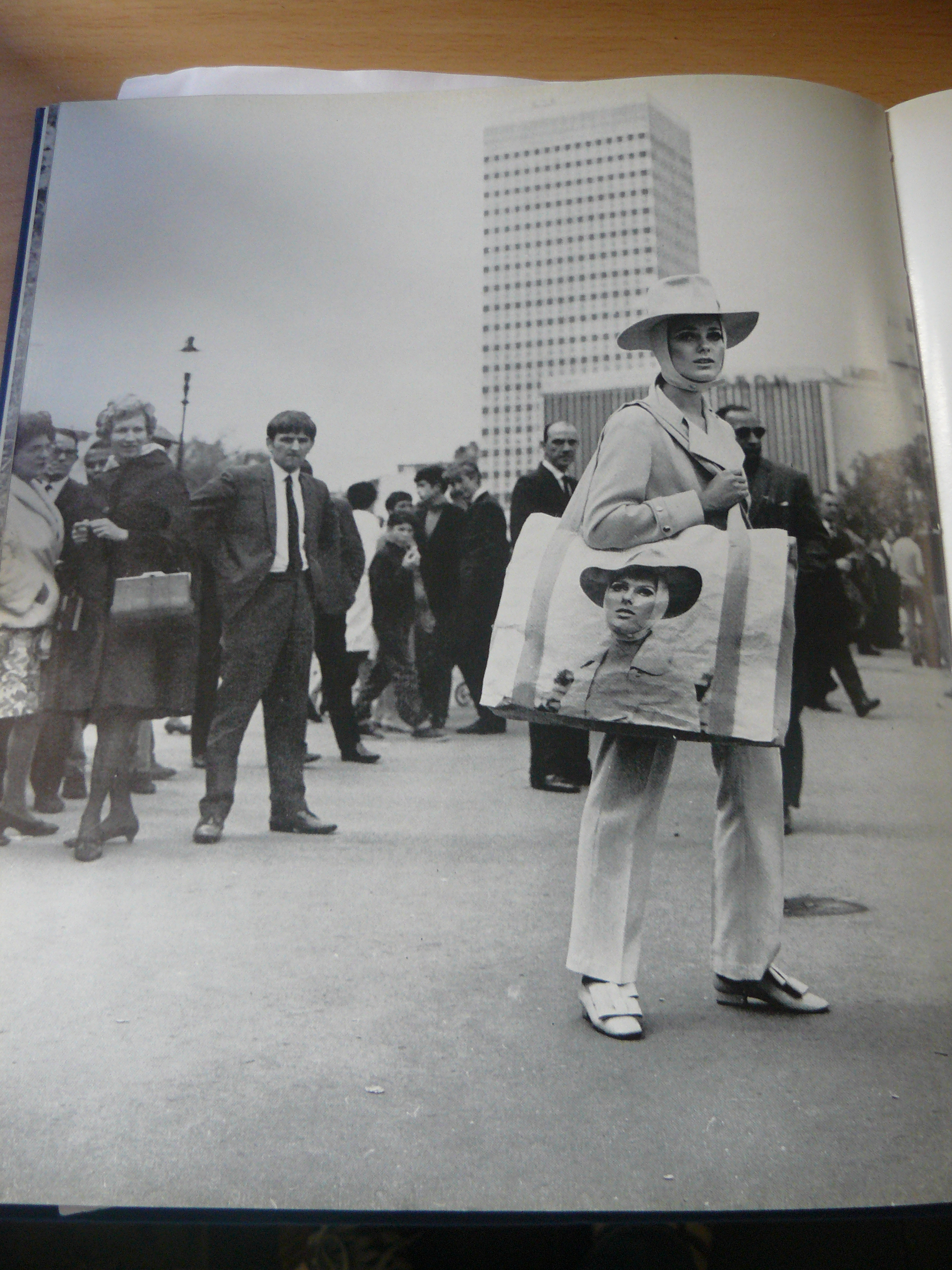
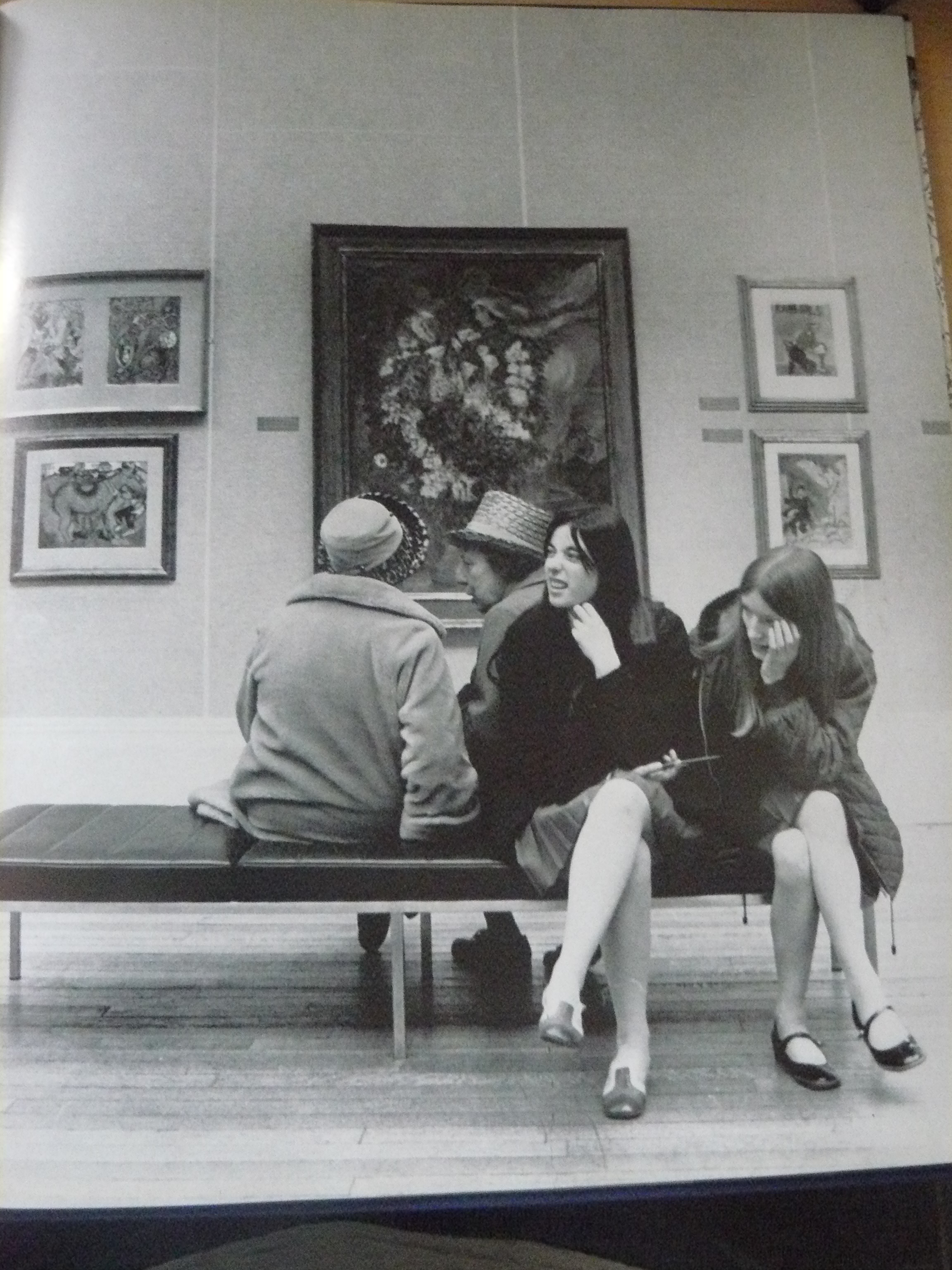
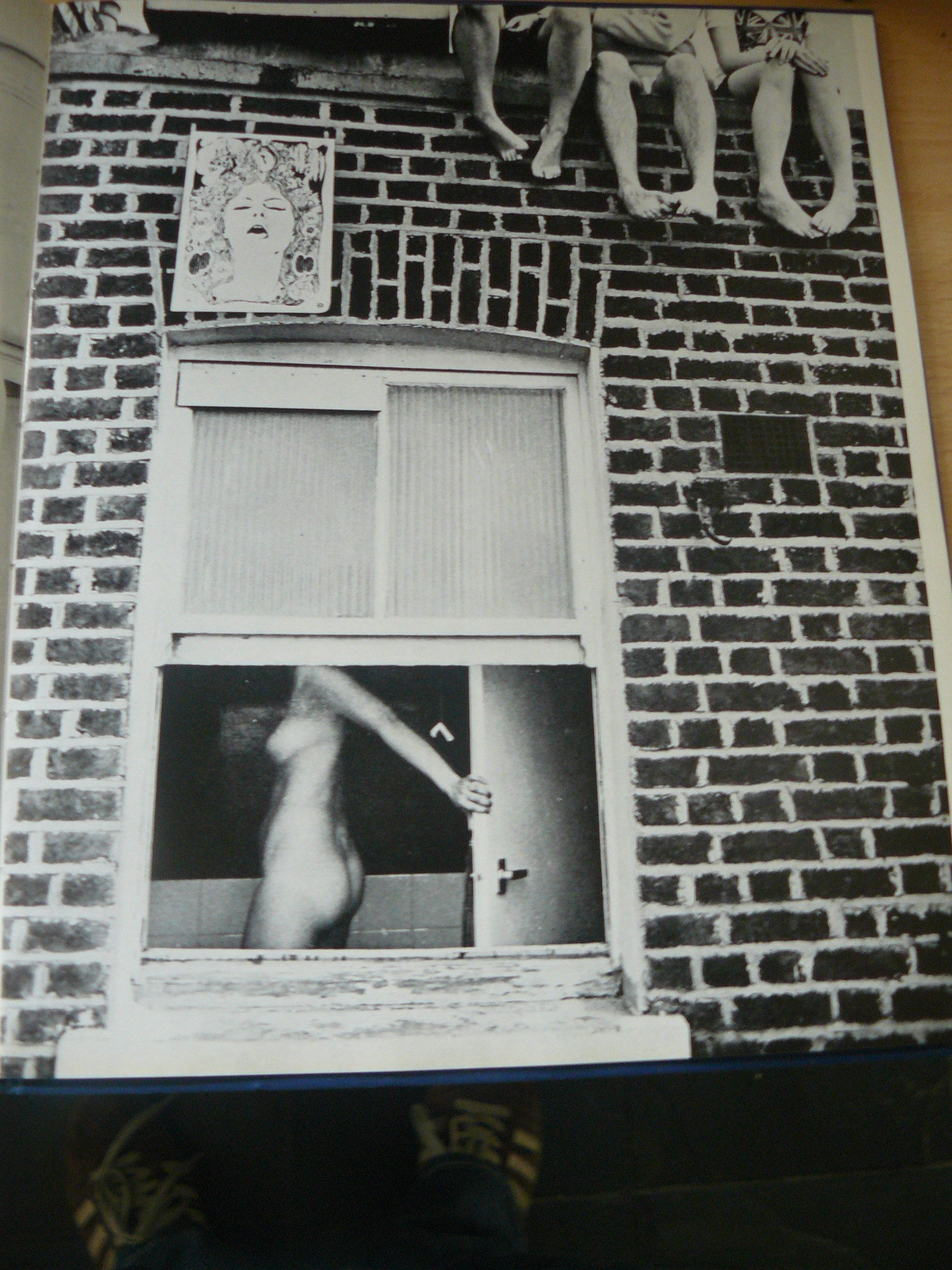
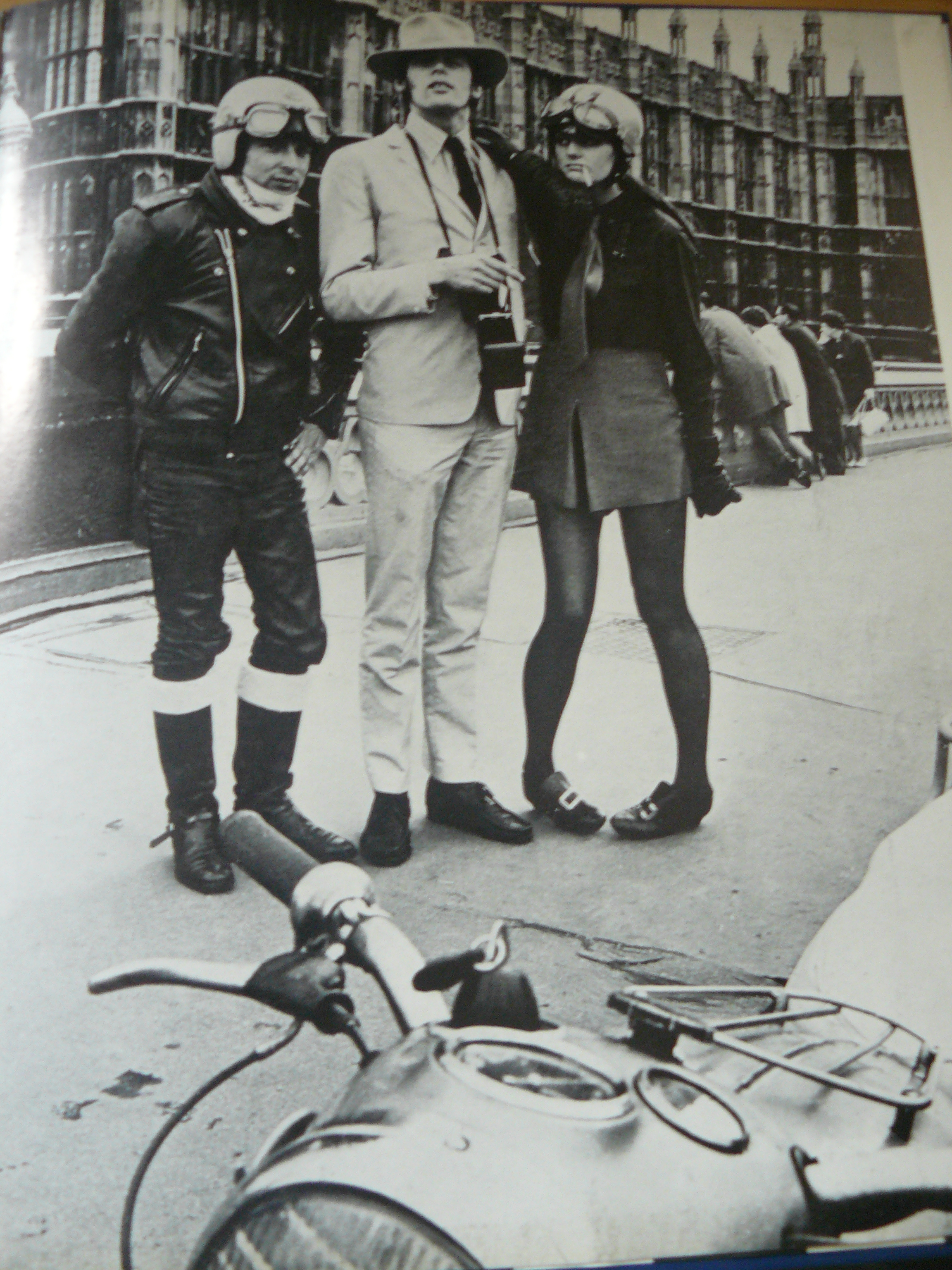
Photos: Young London, Permissive Paradise, 1969

These photographs of London in the late 1960s are a wonderful commentary on the scene of the time. Frank Habicht, who also took some great images of the Rolling Stones, is particularly adept at drawing out the contrasts between the carefree young and the more traditional side of the city. Enjoy.

All photographs are from Frank Habicht’s Young London, Permissive Paradise (1969)

The Pre-Raphaelite Brotherhood in London

Tate Britain’s rather brilliant exhibition on the Pre-Raphaelite Brotherhood opens this week. It cover much the same ground as the recent and slightly more brilliant Cult of Beauty at the V&A, but with  – naturally – greater emphasis on the visual arts over the decorative.

One interesting thread running through the exhibition is the use of London as a landscape. The PRB were all connected to London and liked to paint outdoors so the city naturally appeared in a number of their paintings, often uncredited. This painting by William Holman Hunt – Rienzi, Vowing To Obtain Justice – was painted outdoors in Lambeth and Hampstead Heath, while famous images like Ophelia by John Everett Millais used the countryside of now suburban Ewell as the backdrop.

Another of the most famous PRB paintings is The Death of Chatterton by Henry Wallis, a tragic tableaux in which London’s skyline can be glimpsed through the open window. The vividness of Chatterton’s hair, incidentally, really has to be seen in person if possible.

More obvious London images were to follow. This is Charles Allston Collins’ bucolic take on May, In The Regent’s Park, from his home in Hanover Terrace. Collins was not an official member of the PRB, but his style was sympathetic and this was considered ‘absurd’ when first exhibited, though presumably not because of the sheep seen frolicking in the park in the background.

Also closely affiliated with the PRB was Ford Madox Brown, and his wonderful view of Hampstead from his bedroom window – An English Autumn Afternoon. Again, this was considered ugly by contemporary critics. Kenwood House can be seen top left, but London remains a distant – if rapidly advancing – presence.

Brown offered a very different and more recognisable take on Hampstead in perhaps his greatest painting, Work, which depicted navvies digging up a Hampstead road to lay water pipes. It’s a marvellous evocation of a London street and I’m pretty sure those navvies are still laying water pipes in London to this day. See them all at Tate Britain from Wednesday 12 Sept, 2012.

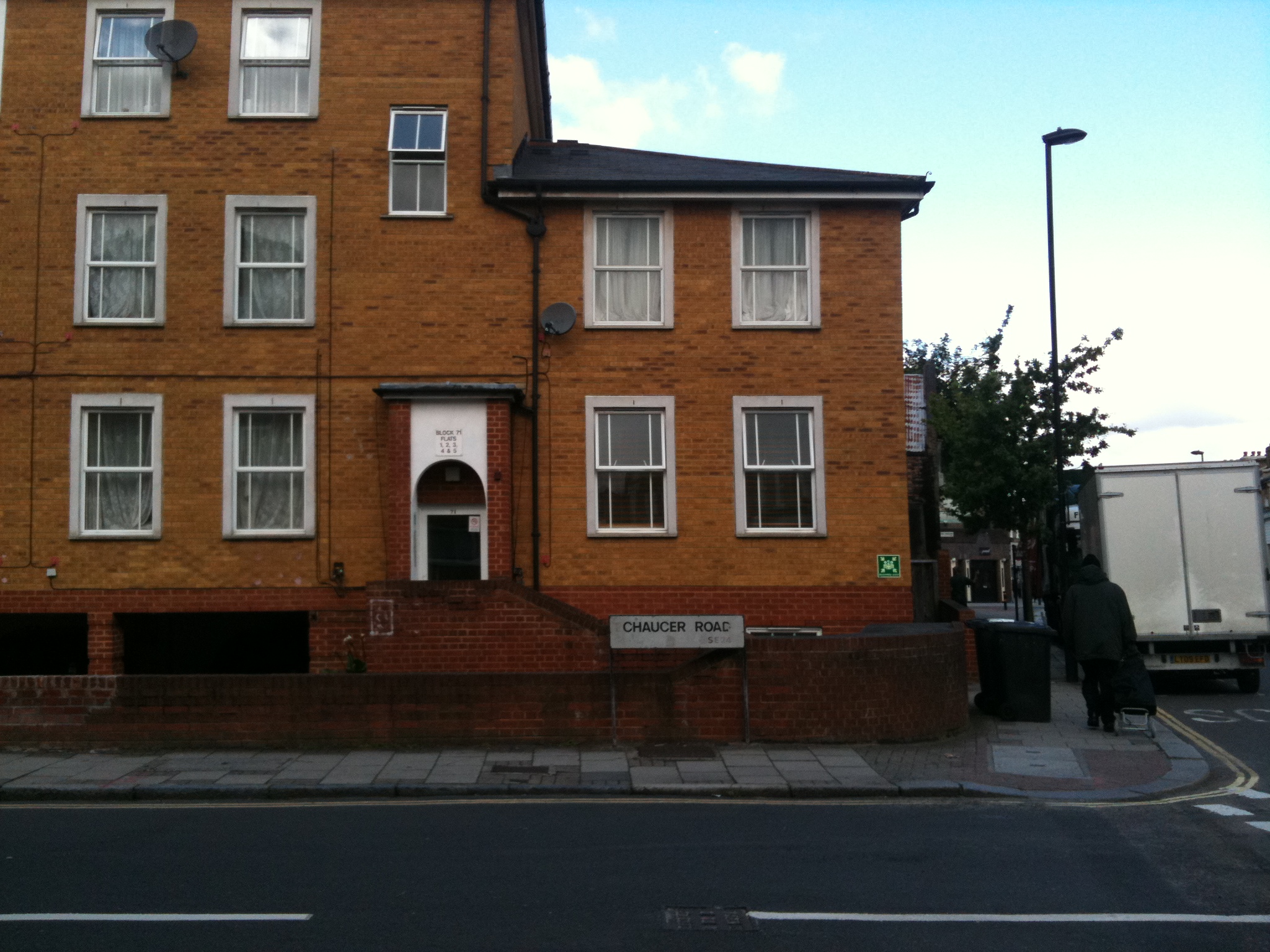
Brixton riots in SE24: then and now

Chaucer Road, SE24 after the 1981 Brixton riots

Chaucer Road, SE24 in 2012

The top picture is taken from Taschen’s superb new book of London photographs, London: Portrait of a City.

Une saison en Camden: Rimbaud and Verlaine in Victorian London

I am an ephemeral and a not too discontented citizen of a metropolis considered modern because all known taste has been avoided in the furnishings and the exterior of the houses as well as in the plan of the city. Here you would fail to detect the least trace of any monument to superstition.

Arthur Rimbaud on London in Illuminations

Getting a face full of wet fish is usually associated with Monty Python at Teddington Lock rather than French poets in North London, but such is the warping power of Camden Town. Arthur Rimbaud and Paul Verlaine were the Gallic rhymers in question. The pair enjoyed a tempestuous relationship in a variety of London addresses, which culminated in the aforementioned fish-slapping incident in Camden.

rimbverl

They had arrived in London in September 1872 after fleeing scandal in Paris. Rimbaud was 17, Verlaine ten years older, married with a child. Verlaine’s brother-in-law described Rimbaud as ‘a vile, vicious, disgusting little schoolboy’, but Verlaine found him an ‘exquisite creature’ probably for much the same reasons. At first they settled in Howland Street in Fitzrovia. They became part of Soho’s expat anarchist dissident set, reportedly attending meetings helmed by Karl Marx in Old Compton Street, drinking heavily, taking hash and opium (Rimbaud advocated ‘derangement of all the senses’) and keeping warm at the British Museum, where Rimbaud’s name  – but not Verlaine’s – was later added to the Reading Room roll of honour. Neither were particularly politically motivated, but the anti-establishment environment would undoubtedly have appealed to the outlaw couple.

Drawing by Verlaine of Rimbaud in Canon Street

They both loved London. Rimbaud felt that by comparison Paris looked like nothing more than a ‘pretty provincial town’ and loved the ‘interminable docks’, while Verlaine was captivated by the ‘incessant railways on splendid cast iron bridges’ and the ‘brutal, loud-mouthed people in the streets’. Together they travelled on the river, visited Hampstead Heath and rode the newly opened underground railway. They visited Hyde Park Corner, Madame Tussaud’s, the National Gallery and the Tower Subway (‘It stinks, it’s hot and it quivers like a suspension bridge, while all the while you hear the sound of the enormous volume of water,’ they reported back).

They wrote as well. Parts of Rimbaud’s Illuminations and Une Saison en Enfer were written in London, and his relationship with Verlaine is recorded in the latter’s lines: ‘On several nights, his demon seized me, we rolled around together, I wrestled with him!—At nights, often, drunk, he lies in wait in the streets or in the houses, to frighten me half to death… In the hovels where we used to get drunk, he would weep at the sight of those around us, miserable beasts…’ Verlaine was also influenced by the hectic modernity of the docks, and wrote a poem about Regent’s Canal.

Their sojourn in Fitzrovia was briefly commemorated with a plaque written in French and erected in 1922, although it only mentioned Verlaine – Rimbaud’s name was omitted on grounds of morality. Unfortunately, the street numbers had changed by this time, so the plaque on No 34 was almost certainly commemorating the wrong house. These defects were solved in 1938 by simple means – the house was demolished. It’s said the plaque was saved from destruction, but if so it has long since been lost.

There is a plaque for their next house however, left by ‘unknown hand’ according to Simon Callow. This is on their residence at 8 Great (now Royal) College Street, which they moved to in May 1873, living in two rooms on the top floor for three months. Here the pair’s self-destructive instincts really blossomed. They argued relentlessly, and often fought physically. This reached its nadir one July morning when Verlaine returned from Camden market carrying fresh fish and olive oil. It was a hot day and Verlaine had a hangover, but Rimbaud, watching from an upstairs window, was unsympathetic. He laughed and bellowed, ‘Ce que tu as l’air con!’ (‘What a cunt you look!’). Verlaine responded with a kipper in the face (hurt, he later wrote to a friend rather pathetically,  ‘I retaliated, because, I can assure you, I definitely did not look ridiculous’), packed his bags and fled to Brussels. Rimbaud eventually followed, only to receive two bullets in his wrist for his troubles.

Verlaine was sentenced to two years in prison, which he spent in part reading Une Saison en Enfer, and that was pretty much the end of that relationship. Rimbaud returned to London in 1874, living at Stamford Street, SE1 with the poet Germain Nouveau and later taking a room at No 12 Argyll Square in 1875. He then disappeared for four months – biographers still speculate about whether he was in Scotland, Scarborough or Reading. He barely wrote another word and died, one-legged, in 1891. Verlaine also returned to England, teaching in Boston and Bournemouth, before returning to Paris where he succumbed to alcoholism and died in 1896. Camden can do that.

Photo by Dornac of Paul Verlaine in the Café François 1er in Paris on May 28, 1892

HG Wells, My White Bicycle and hygienic seats: a brief history of cycling in London

This piece is in the current issue of BMI Voyager. The photo of Herne Hill Velodrome is via Adrian Fitch

It’s unlikely that any of the world’s top cyclists will be thinking about London’s history with the bike when they set off from the Mall for the gruelling 250km Olympic road race on Saturday (July 28th), but if they do pause for thought, they’re starting from the right place. The route will take cyclists through Putney, Richmond and Hampton Court deep into the scenic Surrey countryside of Woking and round Box Hill, but it starts and finishes near Hyde Park, which is where cycling in the UK first really took off.

Cycling had premiered in Battersea Park in the 1880s, but it was in Hyde Park that the great Victorian cycling craze went overground in the 1890s. London was still a horse-happy city at the time, so when 2,000 cyclists – mainly women, dressed demurely with natty bonnets– formed a parade to cycle round the park in the spring of 1896, those on horseback didn’t know quite what to make of it. Bicycles were still a new thing. Penny-Farthings had been around for a while, but were about as common a sight in Victorian London as they are now, and it took the invention of the ‘safety bicycle’ – one with wheels the same size and pneumatic tyres – in the 1880s for that to change. Indeed, such was the enthusiasm with which women took up cycling, that Victorians were torn between trying to find ways to make money out of it, and trying to ensure it was morally appropriate. With typical Victorian ingenuity, they managed to do both – the Chaperon Cyclists’ Association supplied female escorts for solo women cyclists for 3s 6d an hour, while to avoid any dangerous friction you could purchase special ‘hygienic’ bike seats, which had a modest dip in the area where a lady’s genitalia would usually meet the saddle.

Hygienic seat or not, this was, almost without exception, a hobby enjoyed by the upper classes – the Lady Cyclists Association of 1895 was founded by the Countess of Malmesbury – and the Olympic road race aptly passes through some of the poshest areas of London, along the luxury-lined Knightsbridge and down through the smart streets of Chelsea to Putney Bridge. In 1896, the Countess wrote wittily in The Badminton Magazine about the dangers of cycling around these very Belgravia streets thanks toa new sport’ devised by Hansom Cab driver: ‘chasing the lady who rides her bicycle in the streets of the metropolis’ excited by the ‘petticoat which “half conceals, yet half reveals”… I cannot help feeling that cycling in the streets would be nicer, to use a mild expression, if he’d not try to kill me.’

It wasn’t until 1934 that a solution to this perennial problem arrived, when the UK’s first bike lane was opened not far from where the road race course makes its progress through West London. This specialist cycle lane stretched for two-and-a-half miles alongside the Western Avenue and was a belated response to the scarcely believable statistics that recorded 1,324 deaths of cyclists on British roads the previous year. Despite these awful figures, cycling groups opposed the innovation, arguing bikes should not be forced to give up their place on the road to the new-fangled motor car. It’s not an argument they were ever likely to win.

Roads will be close to traffic on July 28, however, and as the Olympic cyclists make their way towards the river, they will pass Kensington Olympia, the huge exhibition hall built in 1883 and used for all manner of spectacular entertainment –promoters would think nothing of flooding the arena to recreate Venice In London, for instance. Anything fashionable was fair game and cycling races were held here during the 1890s. A mixed-tandem race – one male rider and one female – attracted huge crowds in January 1896. Weird events like this were common at the time –the Crystal Palace in Norwood hosted a bicycle polo international in 1901 between Ireland and England (Ireland won 10-5).

After crossing Putney Bridge, the race continues through Putney, where one of London’s many Victorian velodromes was once located, drawing crowds of 10,000. Putney also featured in one of the first cycling novels, The Wheels of Chance, by HG Wells, a writer who always had an eye for a new invention. In it, the hero, Mr Hoopdriver, leaves his dull job in Putney to go on a cycling holiday on the South Coast following a route out of London very similar to the one that will be taken by the Olympic racers. The race later passes through Woking, where Wells lived and set part of War Of The Worlds – Woking has boasted a huge statue of a tripod since 1998.

From Putney, the cyclists whizz through lovely Richmond – mind the deer! – before hitting the river at Twickenham, where they pass Eel Pie Island, nexus of London’s mid-1960s rock ‘n’ roll revolution. Numerous legendary bands played shows at the charismatic old dancehall on this tiny island in the Thames, including the Rolling Stones, the Yardbirds, Eric Clapton, Jeff Beck and Rod Stewart. Among them was Tomorrow, one of England’s first psychedelic bands (featuring Steve Howe, later of prog-monsters Yes), whose 1967 single “My White Bicycle” was a big counterculture hit in 1966. This splendid slice of trippy frippery was written in homage to the pro-cycling scheme launch by Dutch anarchist collective Provo, who left 50 unlocked white bicycles all over their home city of Amsterdam in 1965, inviting the public to enjoy ‘free communal transport’ and rid themselves from the tyranny of the automobile. The Dutch police swiftly impounded the offending bikes, but the idea finally caught on in recent years in the form of the Paris bike-sharing scheme, Vélib. This idea was appropriated by London in 2010 and came to be christened Boris Bikes after London’s mayor, Boris Johnson, who inherited the scheme from his predecessor Ken Livingstone.

Boris Bikes can be hired by anybody with a chip and pin card at around 500 docking stations in central London. The bikes come without helmet or lock and are pretty hefty, but they are a fairly common sight in London. Although there is an ‘access fee’ (£5 for a week), the first 30-minutes of any ride are free, so smart users hop between docking stations and effectively ride around London for next to nothing. It’s all part of a belated attempt to make London a more-bike friendly city – four giant bike lanes, the blue-painted Cycle Superhighways, have alsobeen created in key commuter routes, with four more planned for 2013. If you want to borrow a Boris Bike to follow the 2012 road race route be careful, as there are few docking stations outside central London and costs soon mount if you go over the initial 30 minutes – while the fines for a late return are high.

From Twickenham, the race heads through Bushy Park and passes the Tudor palace of Hampton Court, before disappearing into the Surrey countryside. After a tour of the Surrey hills, the cyclists will then make the return journey, via Kingston, to the Mall. Sadly, then, there is no time to head to south-east London, where there are a couple of other prime London cycling landmarks. The first is the Herne Hill Velodrome, tucked behind suburban houses down a quiet street near Dulwich. This is the last stadia from the 1948 London Olympics still in use today. Built in 1891, the velodrome had all but closed during the Second World War but was brought out of retirement when London was awarded the 1948 games. It’s had a few scares since then – the gorgeous Victorian grandstand has been a no-go area for years – but was recently awarded £400,000 of Olympic legacy money and plans are afoot to construct a new grandstand, cafe and gym. The venue has played its part in nurturing the latest breed of British champion – Tour de France winner Bradley Wiggins raced here.

Herne Hill Velodrome

While Herne Hill lives on, the velodrome at Catford was demolished in the 1990s. Like the stadia at Putney and Herne Hill, this was built in the 1890s, when it attracted a very special guest. Absinthe-soaked dwarf artist Henri de Toulouse-Lautrec is usually associated with the Montmartre area of Paris, but in 1896 he turned up in the particularly drab suburb of Catford. Lautrec was a cycling fan, and had been asked by a company called Simpson to design a poster for their bike, which used a new type of chain. Lautrec was taken to the newly built Catford Velodrome to watch the bike in action during special races, set up by Simpson to advertise their product, and he produced a couple of images during his visit. The poster was one of the last he designed before his death in 1901, just as the Victorian bike craze was coming to an end.

Londoner Challenge: the beautiful South

We won.

Many thanks to my illustrious team mates, our competitors, the Museum of London and Matt from Londonist for putting on such a fun night.

A sample of the questions are posted below. 

  • What pub name can be found on Newman Street, Berwick Street, Kingly Street, Rupert Street and Bennett Street?
  • What’s the only street name within the City of London that ends in the word ‘Road’?
  • Which current production completes this sequence: The Woman in White, Monty Python’s Spamalot, Priscilla Queen of the Desert and…
  • According to A Day in the Life, by the Beatles, how many holes would it take to fill the Albert Hall, assuming it’s the same as the number of holes in Blackburn, Lancashire?
  • In which London museum might you find a jar full of moles, half a pregnant cat and the penis bone of a walrus, all on prominent display?
  • What gets divided up between the monarch, the Vintners’ company and the Dyers’ company on the Thames each year?
  • Who was the last English monarch to enter the House of Commons?
  • At the 1948 London Olympics, the British amateur football team was managed by the great Matt Busby. What unlikely item did he hand out to his players at half time, in accordance with the sponsors’ wishes?
  • Who are the “Official Supplier of Cereal Bars To The Olympic and Paralympic Games”?
  • What can be found in Earl’s Court and King’s Cross St Pancras Tube stations, but is missing from Barons Court Tube?