
I am incredibly fortunate to get to meet and write about people and places that have always fascinated me. This is particularly true when it comes to the musicians whose music I fell in love with as a teenager – I’ve interviewed Suede, Madness, Evan Dando, Paul Weller, Buzzcocks and many, many more, something that was impossible to imagine when I was reading about them in NME and Melody Maker as a kid.
But this month’s Uncut cover story feels particularly special. It’s Pulp.
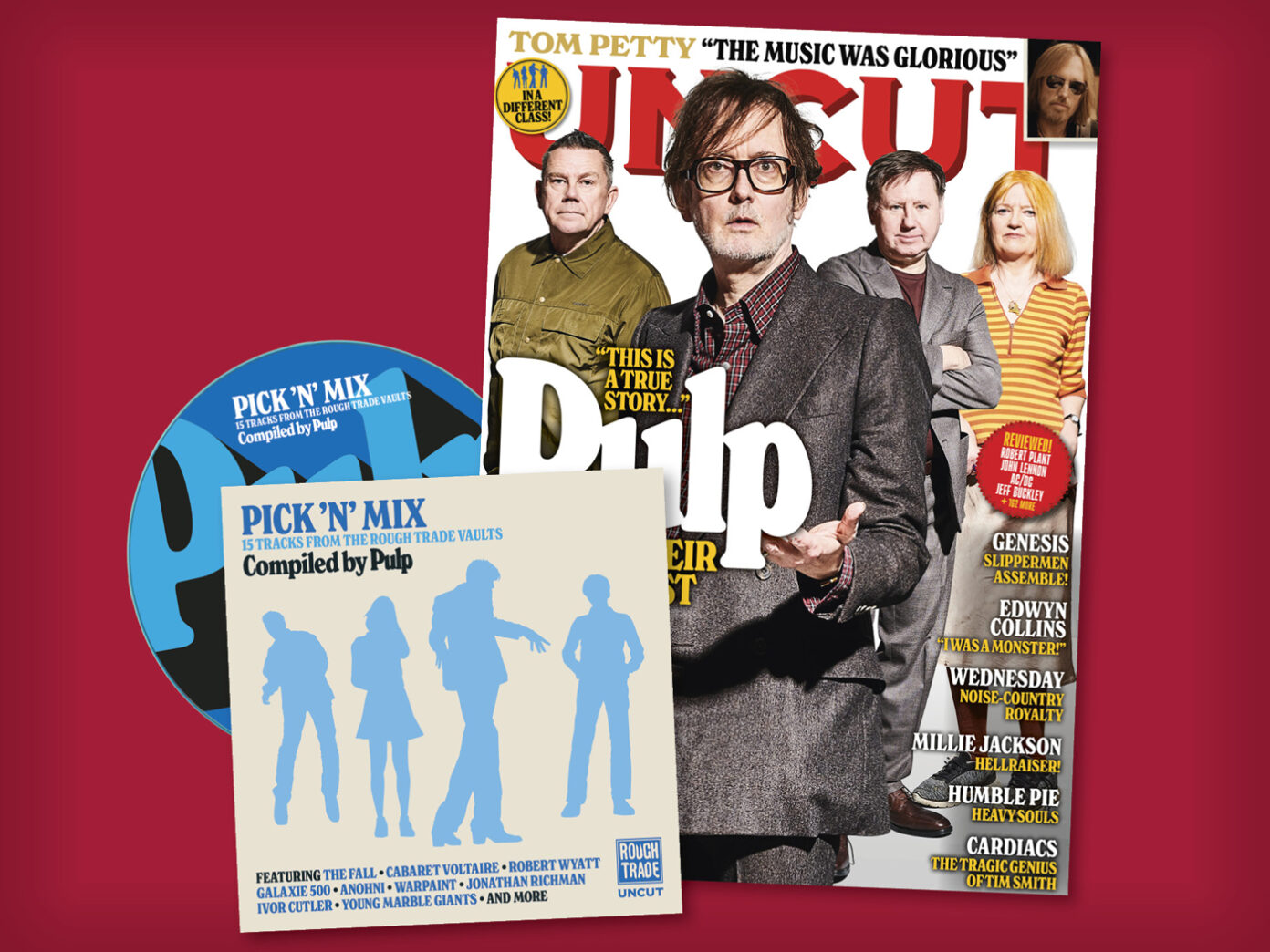
Pulp always felt like my band. Scott had The Cure, Mike had Teenage Fanclub, the other Pete had Dodgy and I had Pulp. Jarvis Cocker told me that he knows a song is special when he gets a “tingle”. I know what he means, but I don’t actually get the “tingle” very often – although I did the first time I heard “Razzmatazz” (probably on Mark Radcliffe’s Radio One show).
I bought the single. Then I heard “Babies” and fell in love with that. For a while, I bought all their singles on the day of release – right up until “Common People” in fact, when it became very clear they no longer needed my support. Now I didn’t need to buy the single if I wanted to hear Pulp because their music was everywhere. I still bought the albums of course, and This Is Hardcore became one of my favourite albums of the late 90s. I would play it as I went to sleep before getting abruptly awoken by Jarvis’s disembodied “bye bye”, which comes after 15 minutes of silence at the end of “The Day After The Revolution”. It became a tradition.
“The Day After The Revolution” is one of 40 Pulp songs the band chose as their favourites for the Uncut article, so I told Jarvis about my interrupted sleep when I interviewed him – he apologised but I hadn’t really been complaining. I also told him about when I saw Pulp support Blur at Alexandra Palace and he teased the audience by playing the opening notes to “Babies” and then stopping, forcing the crowd to shout for more. He said he didn’t remember doing that – in fact, he admits he couldn’t remember anything about the show – but might reintroduce that intro to the set.
It was, in short, a bit of a dream come true. The other three members of the band – Candida, Mark and Nick – were all lovely and I got to ask them about dozens of my favourite songs, and learn what they meant to the band themselves.
Jarvis also curated a covermount CD of his favourite songs from the Rough Trade label. To my delight, it turns out that one of these is “You Made Me Like It” by the 1990s, a great Glasgow band whose drummer was my best friend Mike, who introduced me to indie music in the first place. That unexpected coincidence made this whole exercise even more special. Isn’t music brilliant?


 The Great Wen