Category Archives: Exhibitions

The Lambeth Country Show: vegetable sculptures and celebrity scarecrows

My eager anticipation of the annual Lambeth Country Show in  Brockwell Park is frankly ridiculous. But there is something about this festival, combining sheep shearing and donkey rides with jerk chicken and reggae, that really works for me. It is great fun and slightly surreal.

Where else this weekend, for instance, could you have seen the Mayor of Lambeth stroking a duck?

For many people, the best thing about the festival appears to be the lethal Chucklehead Cider, which comes in four pint jugs and, judging by Twitter, will be responsible for several thousand hangovers in South London this weekend.

But I disagree. For me, the annual highlight is the vegetable sculpting competition in which some of the region’s finest artists demonstrate considerable imagination and skill by carving cauliflowers and potatoes so they look like animals.

This competition is fiercely fought. This year’s winner was a pineapple owl, and as ever, its suitability was hotly contested.

Work of art, or waste of a pineapple? Opinion was divided. Others prefered the baby sweetcorn and butternut squash lion.

Then there was this simple yet gorgeous art deco courgette crocodile.

While the carrot and potato python drew some admiring glances.

Congratulation to all who took part. The real winner, I’m sure we will agree, is art itself.

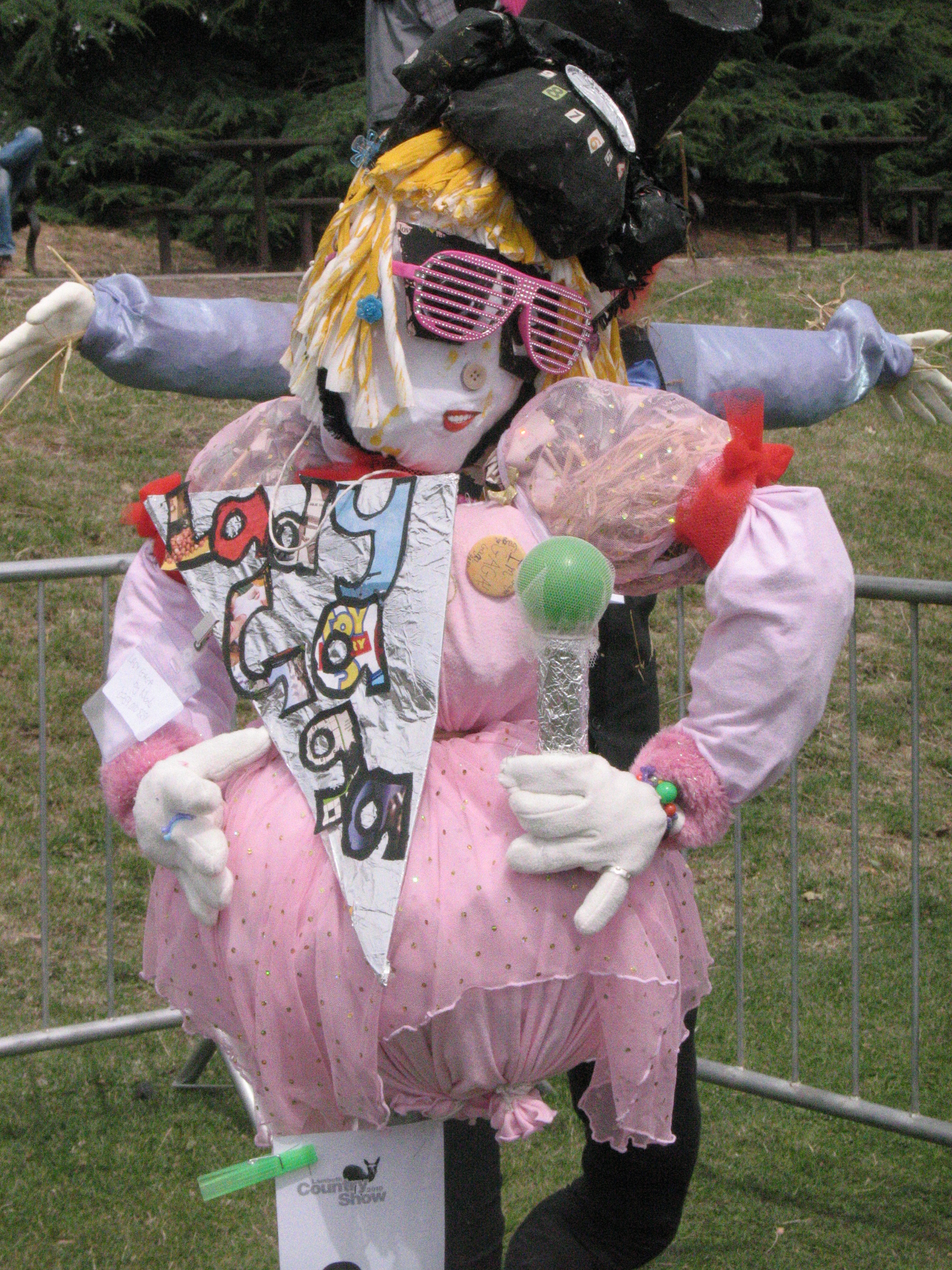
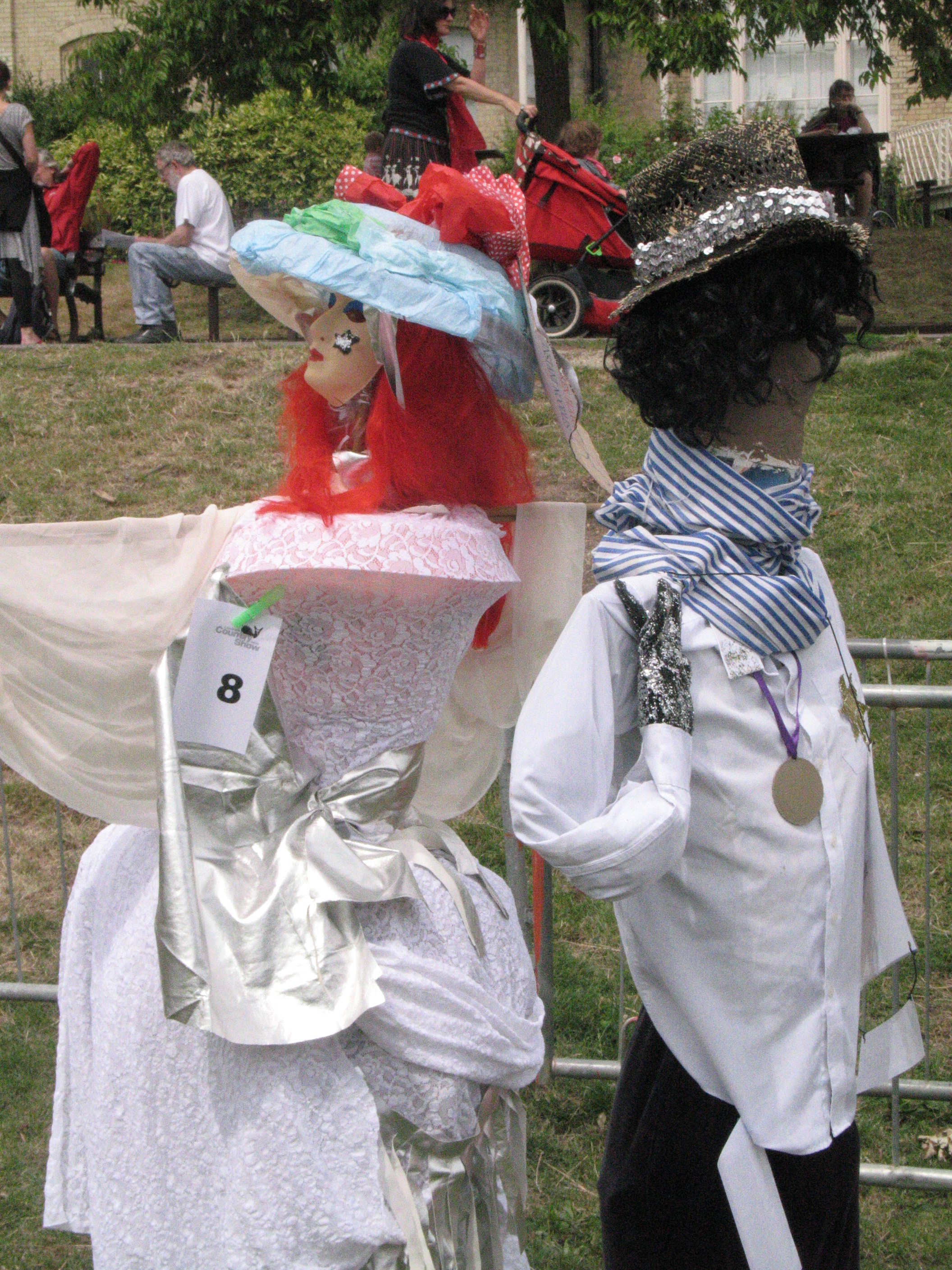
But could the reign of the vegetable sculpture be coming to a close? Many onlookers seemed more impressed with the celebrity scarecrows this year, and who can blame them? Check out these beauties and see what you think.

Skin at the Wellcome Collection

My review of the Wellcome Collection‘s new exhibition Skin is in the New Statesman this week. Read it here.

Cunningly, I snuck the key phrase into the very opening paragraph:

‘Generally, museums put on exhibitions so that people can learn about things they don’t already know. The Wellcome Collection does almost the reverse: it prefers to start with something that is familiar – in this case, skin – and make it unfamiliar.’

Skin is another very good exhibition from the Wellcome, who stand almost unique among British galleries and museums as a body that is so rich they have no requirement to go cap-in-hand to the public purse or to private sponsors, and consequently have no need or desire to dumb down or exhibit tedious ‘blockbusters’ (I’m looking at you, British Museum) in a bid to pull a cash-and-existence-justifying audience through the door.

Few establishments are so fortunate and few curators would know what to do with themselves if given this sort of creative and intellectual freedom. 

Arts funding is going to take a proper kicking over the next few years. The Wellcome Collection will provide rare shelter from the storm, and one with free wi-fi, a bookshop and Peyton & Byrne cakes. What more can you ask for?

Ballardian

I spent this morning at the British Library, looking at the recently acquired archive of JG Ballard. Ballard is one of those authors whose work I have devoured, absorbed, appreciated, exalted and admired but never really adored or even enjoyed, absolutely, that is without reservation.

I read him partly because I feel I should, not necessarily because it gives me the escapist satisfaction of my favourite writers. That’s not to say I read him out of dour and unwilling duty, like a GCSE student forced to confront Conrad, but it is markedly different to how I approach writers like James Ellroy, Jose Saramago or John Lanchester. With them, I know that no matter what the subject, I’m going to have a blast. With Ballard, it’s more complex. I know what I’m going to get, I’ll admire the way it is written, but I won’t be knocked off my feet, not any more anyway.

Ballard’s enthusiasts – among them Will Self and Iain Sinclair – often attribute to him extraordinary powers of insight and perspicacity, of having an almost mystic-like view of what awaits the world. There is some truth in this, as he accurately anticipated an atmosphere of suburban psychosis and predicted a society of disconnected and violent insular communities who have a paranoid fear of the ‘outsider’. But in general, it’s all a bit overstated.

His best novel is 1975’s ‘High Rise’, where he first put together a plot he then relentlessly repeated for almost 35 years – an enclosed community, a charismatic professional, a tribal awakening, a middle-class orgy of destruction.  Many of the books that followed were almost identical, just with the location changed (one of the best is ‘Super-Cannes’ from 2000).

By 2003’s ‘Millennium People’, his dire penultimate novel set in contemporary London, the methodical working through of these familiar tropes had passed firmly into the territory of self-parody. It was still ecstatically reviewed by critics, obsessed with the man rather than the novel he had written. Personally, I have more time for his early short stories, which are more or less straight science fiction and absolutely brilliant but often dismissed by those who are more interested in what he did after the seismic auto-porn ‘Crash’.

All that said, the archive acquired by the British Library is fascinating and will keep biographers busy for years. Expect many of them to mention his early school report for English, which says he ‘has remarkable ability… but with greater concentration, his work could be even better’.

What astounds when looking at the archive is the amount of revision Ballard applied to his work. His first typeset draft of ‘Crash’ is loaded with handwritten amendments, almost every word appears to be changed in a visual, violent display of self-editing. The level of self-criticism is terrifying – it’s enough to put you off the idea of ever being a novelist.

The British Library member of staff in charge of cataloguing the archive says that the most exciting part of his job is getting a new collection in from a great writer and taking the lid off the box to see their novels in draft form. ‘What’s it going to look like? How did they write?’

Those interested in the answers to those questions should get to the British Library from Friday, June 11, where two pages from ‘Crash’ will be on display at The Sir John Ritblat Gallery: Treasures of the British Library.

Museum of London reopening

My review of the Museum of London reopening appeared in yesterday’s Independent On Sunday. The museum has refurbished its entire collection from the Great Fire to the present day, something that necessitated closing down the lower-ground floor of the museum for four years. I’ve been on site at a number of times during the refurbishment, so had a good idea of what was intended, but was still hugely impressed (and, in a strange way, rather relieved as so many things can go wrong with these things) by the final result.

The museum now has a great blend of the old and new, with some genuinely impressive modern interactive but also loads of good old-fashioned things in cases. Check it out when it opens to the public on Friday May 28 (it is opening till 9pm on the first day). 

I suppose that a museum ideally wants the visitor feel they’ve ‘got it’ after just one visit, but not ‘got it’ so much that they won’t come back . They don’t want people to be so overwhelmed by information they can’t see what story the museum is telling, but they equally don’t want them to feel they’ve absorbed it all in one go, seen everything there is to see and so never bother returning. The Museum of London, I think, pulls off this delicate balancing act, while also being lots of fun, which is something every good museum wants and needs to be. 

Museum nerds might note that they also manage to subtly highlight a couple of their less appreciated areas of expertise – the excellent costume collection, which gets two strong displays – and their outstanding collection of oral history, which is used to tell the story of the Blitz.

I am particularly interested in oral history. These first-hand recollections from largely ordinary Londoners could be vitally important to future historians, and the museum continues to expand its collection at an impressive rate. One thing I firmly believe is that everybody has a fascinating story to tell, they just don’t always realise what it is about their lives that makes them unique and therefore interesting. Most people are too self-conscious when they write, so oral history is the best way to break down this barrier and capture those stories before they disappear forever.

Finally (and no, I’m not on the payroll), the museum also has a very good (and free) new iPhone app. Check it out here.

Magnificent Maps at the British Library

The British Library currently has an excellent new exhibition about maps called Magnificent Maps. I reviewed it for New Statesman (get me), and tried to focus on the sort of political aspects of the maps on display that would appeal to the generally Labour-supporting readers of the New Statesman, seeking any sort of diversion from the electoral massacre they had recently witnessed.

Diamond Geezer also took inspiration from contemporary politics with his review. He wins, I think.

The highlight of the exhibition for many Londoners will undoubtedly be Stephen Walter’s incredible idiosyncratic The Island, which you can study in detail here. This is a very personal and witty look at London by an artist. I particularly like the rather condescending but still satisfying comment he puts next to Herne Hill – ‘If I lived south of the river it would be here’. What finer praise could a North Londoner offer?

If you like maps a lot, you should also check out the hand-drawn gallery at Londonist. A little bird tells me that these may soon get a museum exhibition of their very own.

Le Garage: an art gallery comes to Herne Hill

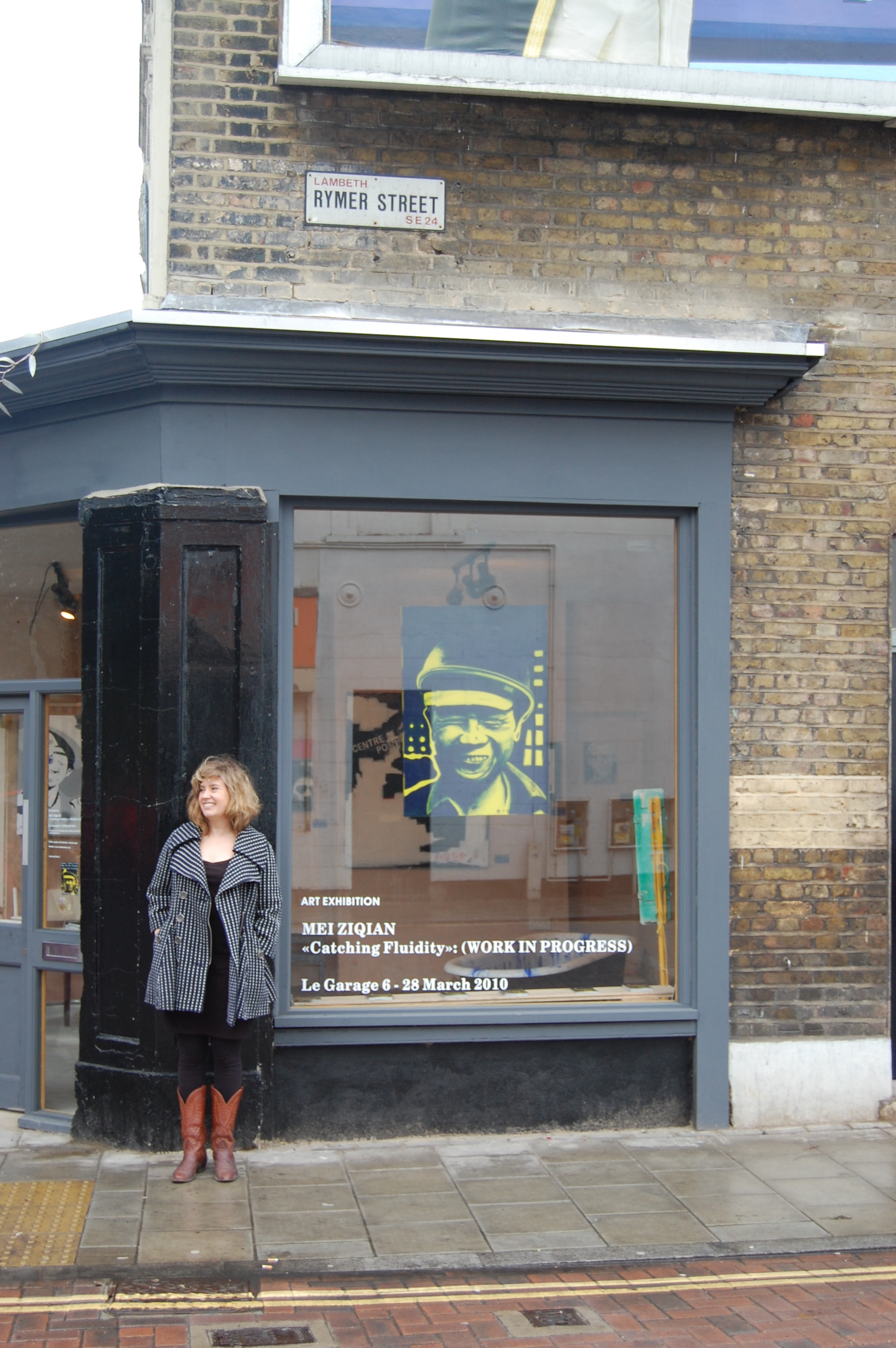
Plonked on a prominent corner site on Dulwich Road, just opposite Brockwell Lido, is La Garage. You can’t miss it. It’s the one with huge floor-to-ceiling windows through which you’ll see an antique bath filled with blue water.

Le Garage is Herne Hill’s newest art gallery. It’s the creation of Alice Bailey, a Canadian who bought the building in auction about three years ago (the name tells you what is used to be) and then started to think about what she was going to do with it. A friend suggested she turn the downstairs space into a gallery, so that’s what she did as soon as she’d finished rebuilding the upstairs and refurbishing it with things she found in junk shops (‘it’s kind of random,’ she says).

‘It was a total accident, I just thought they were great windows and I should put something in them,’ she says, so she did. Currently on display (until March 28) are paintings, photographs and the paint-filled bath by pseudonymous artist Mei Ziqian, and Alice already has three more shows lined up including a photographer, a shadow puppet play and an artist who does embroidered portraits of characters from ‘Coronation Street’. After that, she wants some street art, but is open to any ideas. Drop by if you have something to offer.

‘I want it to be organised but free and organic,’ she says. ‘There are a lot of artists who can’t get shows in London, although I know I’m a bit out of the way here in Herne Hill. A lot of people have already contacted me after seeing this and so far the work I’ve seen has been great. The photographer showing  next is quite well-known, but she wants to do something different from what she usually does, and she doesn’t want to do it under her own name.’

The space is still not fully developed, and Alice is wondering how to use the back room and pondering about turning the garden into a cafe – inspired partly by Scootercaffe on Lower Marsh, where she lived previously. ‘It’s so nice living above your business,’ she says. ‘I really want it to be fun, because it’s a fun space, informal and  friendly.’

Le Garage, 115 Dulwich Road, SE24 ONG.

War (museums), what are they good for?

After last week’s trip to the Imperial War Museum North, this week I was at its southern sibling, the original IWM in Lambeth.

I always look forward to a trip to the IWM, not because I have a particular fondness for military memorabilia – although I did have a youthful obsession with the novels of Sven Hassel and still go weak at the knees at any mention of Colditz (it’s not my favourite prisoner of war camp, but I won’t go any further because I’ve probably already put you off with the words ‘favourite prisoner of war camp’) – but because the IWM has a well-deserved reputation, round my house at least, for putting on the best exhibitions in London. Only the Wellcome Collection can compare.

Their latest, opening in time for half-term, is the Ministry of Food about WWII rationing. Not the most promising subject, at least not until placed in the IWM’s capable hands. This, remember, is the museum that managed to make a subject as dull as camouflage not just interesting but fascinating and essential.

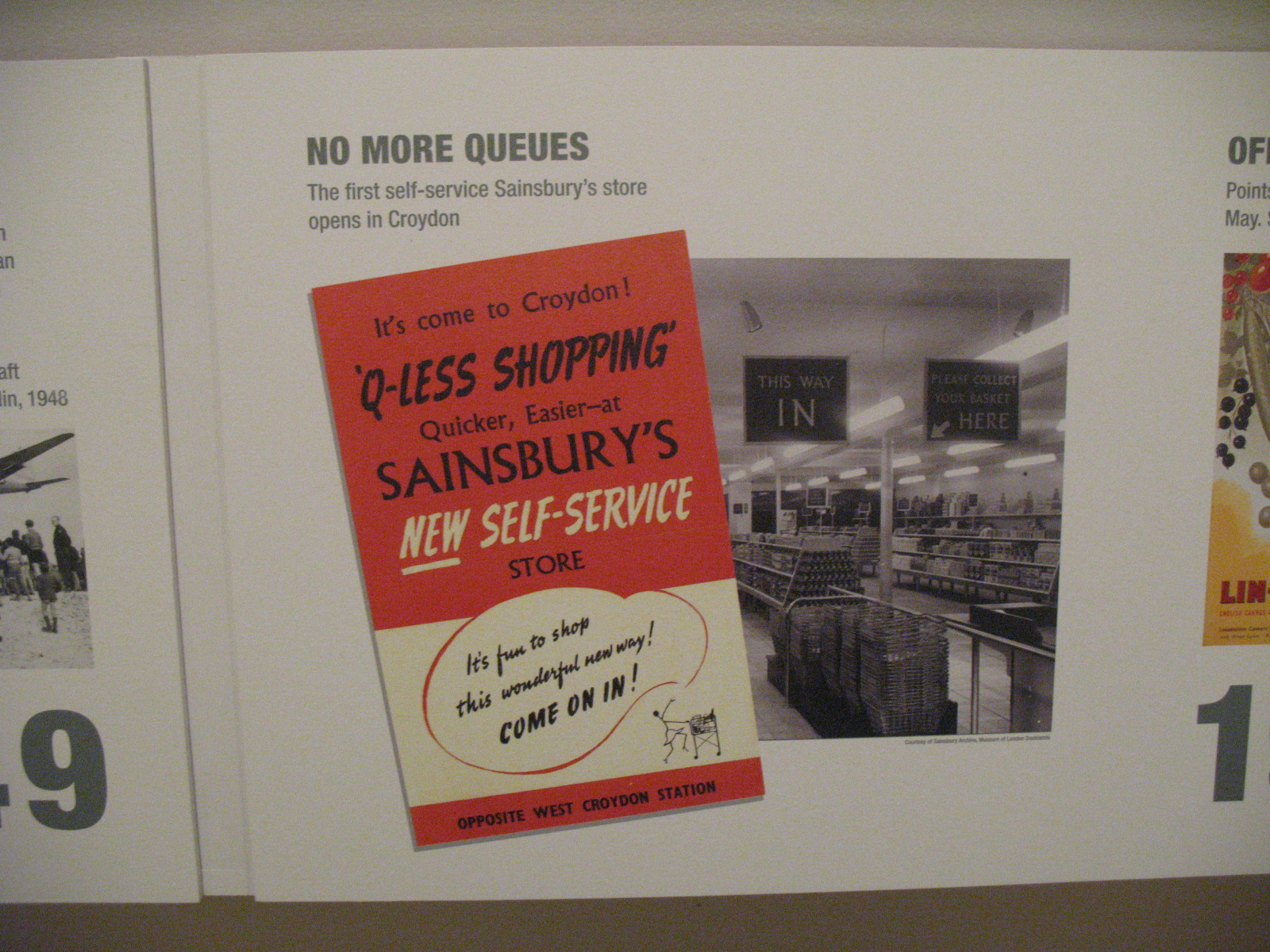
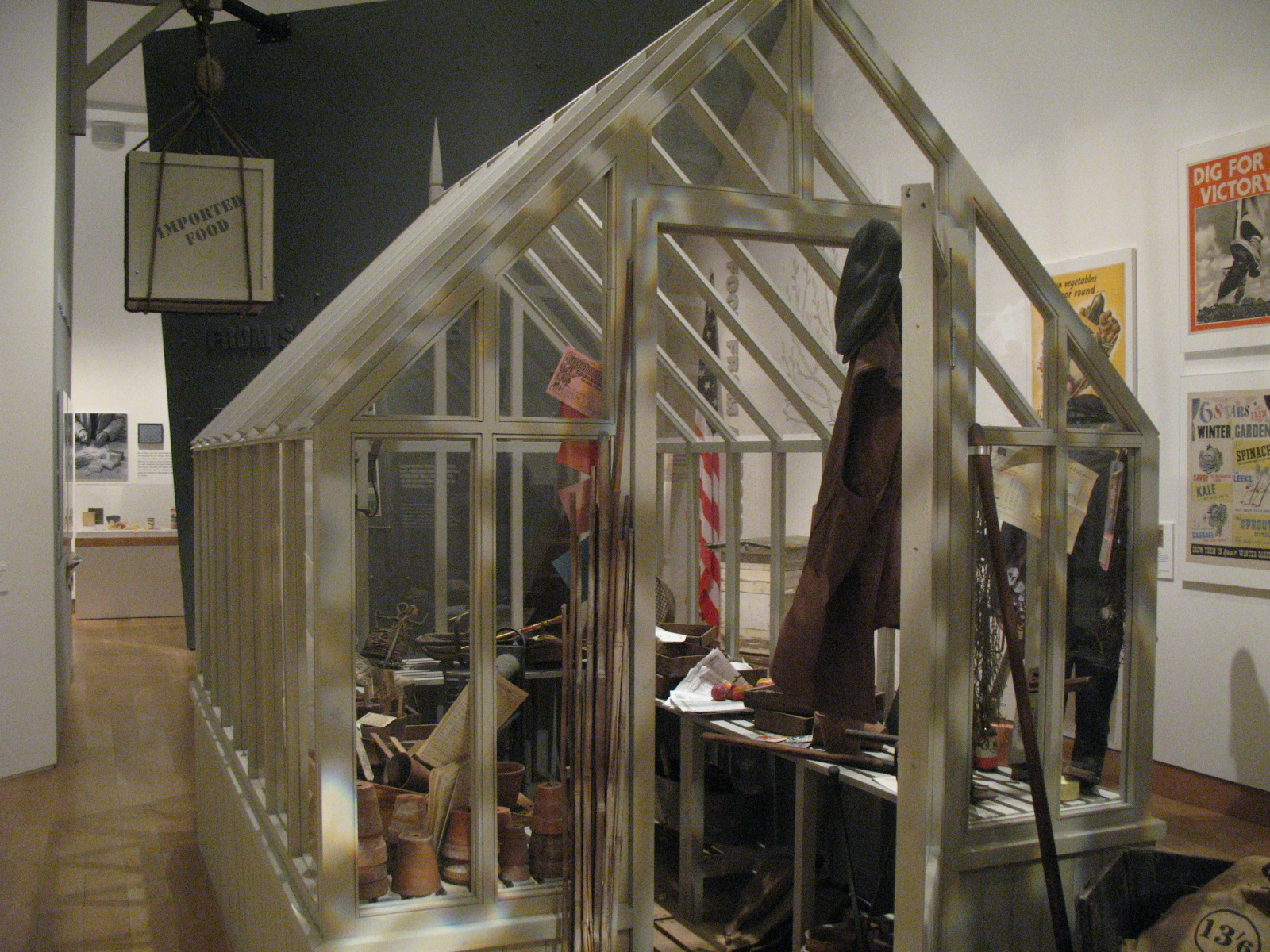
Starting with the land girls and ending with the arrival of Sainsbury’s in Croydon (pictured above), the exhibition looks at just about every aspect of food production during the war. There is a great selection of photos, paintings, posters and props, and also some terrific larger set-pieces such as a full-size greenhouse and a beautifully stocked walk-in wartime shop, a snapshot of which can be seen at the very top. The canteen is also running ration-themed food including mock goose, made with butter and marmite, although there is real food if that sounds a bit much.

It was educational, interesting, accessible, intelligent and fun – all those things an exhibition should be, but so often aren’t. And by that, I include most of those yawnsome chin-stroking ‘blockbuster’ exhibitions at the major museums that always get rave reviews even though everybody you talk to admits they found them a little dull.

No chance of that here. Look, it’s a greenhouse!

London’s museums face a tough time over the next couple of years, with severe budget cuts expected. At more than one museum, staff members have told me that they are expecting to take a hit whoever wins the general election ‘because they aren’t schools or hospitals’. Perhaps that’s as it should be and museums shouldn’t expect to be subsidised, but temporary exhibitions could easily suffer. They are expensive to mount and the bean-counters can be frustratingly short-sighted when it comes to the concept of long-term added value.

So go see Ministry of Food because a) it’s the right thing to do; b) it’s really very good indeed; c) you’ll discover a lovable character called ‘Potato Pete’. I wonder if he likes crisps?

Don McCullin’s London

Actual paid journalism alert, with this review I did for the Independent On Sunday about the Don McCullin exhibition at the Imperial War Museum North. McCullin is probably the world’s greatest photographer.

Although it takes place in Manchester and only comes to the London branch of the IWM next year, Londoners should check it out if they get a chance as there are a number of great London photographs featured. McCullin was born in Finsbury Park and says in the accompanying book, ‘Shaped By War’ ‘like all my generation in London, I am a product of Hitler. I was born in the thirties and bombed in the forties.’ 

McCullin  is an engaging writer. Finsbury Park, we are told, ‘oozed poverty, bigotry and all kinds of hatred and violence. It was preparing me for something I didn’t know was coming.’

His breakthrough photograph was this evocative London image. It shows seven of McCullin’s schoolfriends, moody young thugs from the Seven Sisters Road posing in a bombed-out house opposite the Rainbow in Finsbury Park. One of them later killed a policeman. McCullin sold the snap to the Observer and his career began.

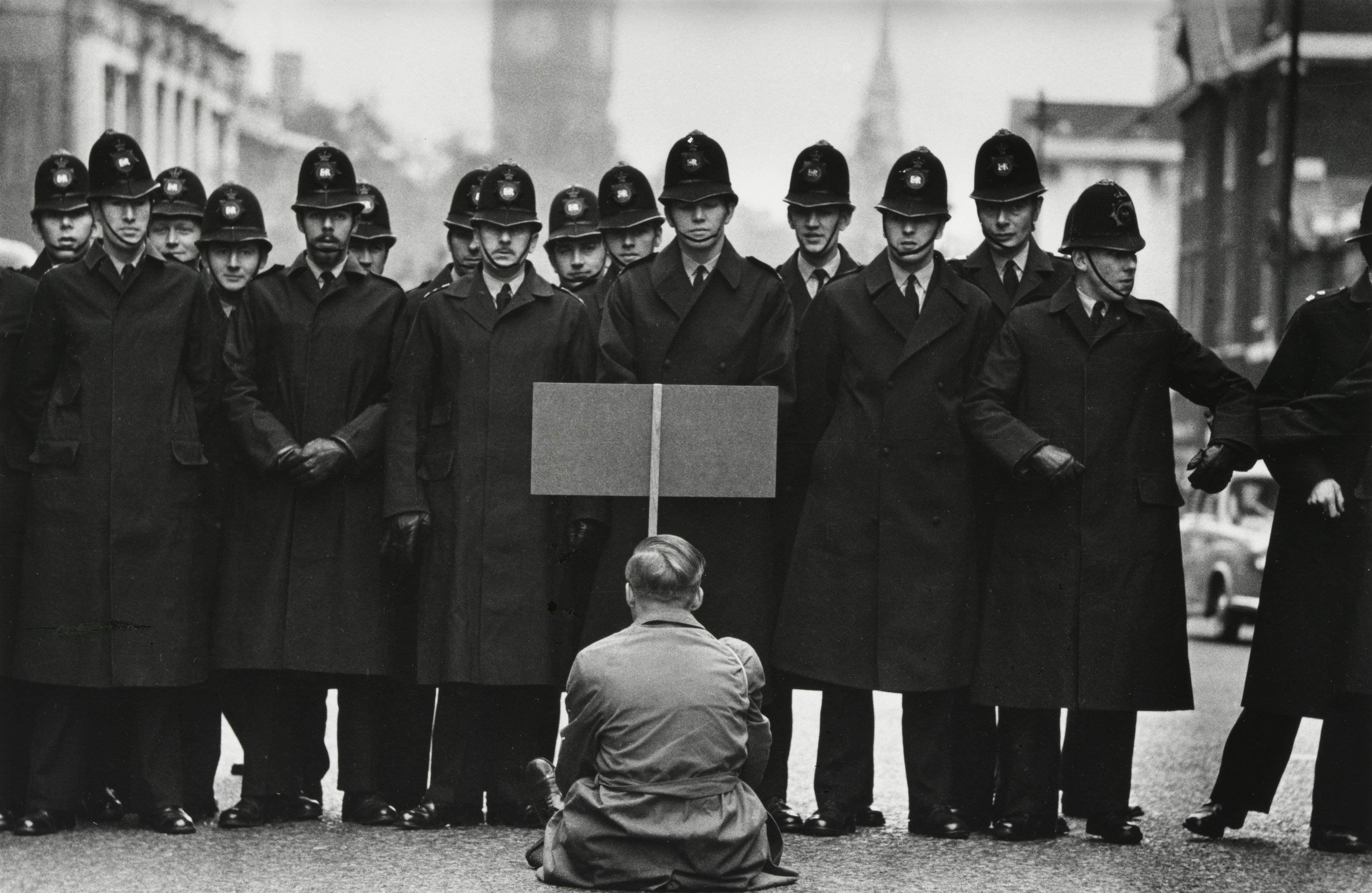
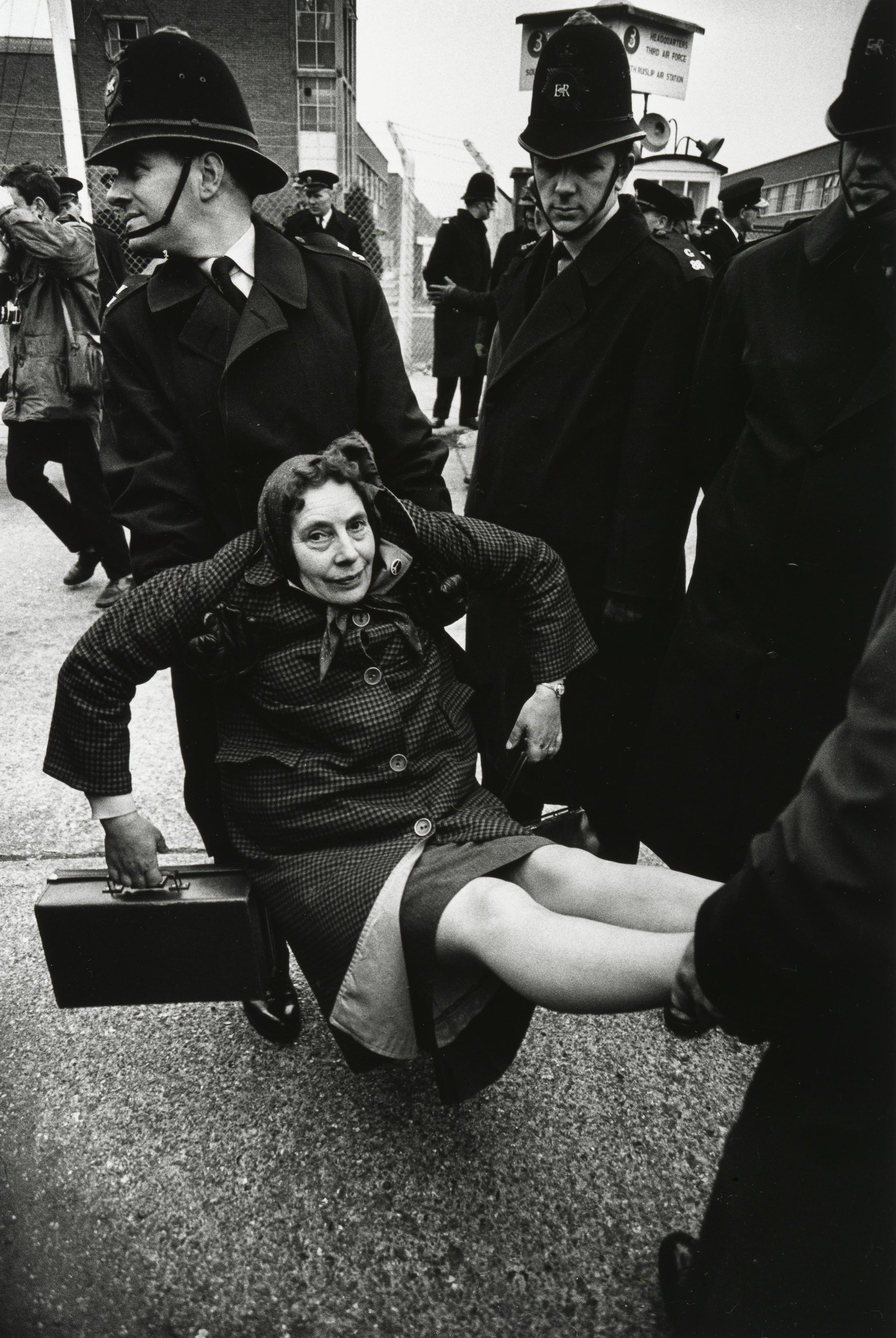
Although war became his arena, McCullin also took extraordinary domestic photographs. Here, those two worlds collide with two photographs of anti-war demonstrations in London from the 1960s.

Also on display is a brilliant photo of a newly arrived West Indian, dapper and outwardly confident, in north London from 1958. At the exhibition, you can compare this with a picture of two assertive young Asian Londoners in Brick Lane taken in 2007. So much change, but so much stays the same.

Understandably, there is nothing in the exhibition about McCullin’s work with the London homeless in 1989. On this subject, there is this remarkable image by McCullin taken in Spitafields in the 1960s. It’s like a still from ‘The London Nobody Knows’ crossed with a painting by Francis Bacon.

Despunking chickens: London guidebooks at Guildhall


London guidebooks did not begin with Time Out or even Baedeker. There are thousands out there going back centuries, some aimed at specialist readers, others for a more general audience. I’ve got half-a-dozen myself and left around the same number behind at Time Out.

Finding a great London guidebook isn’t as simple as it might appear. I’ve often found that the ones with the most enticing titles and covers – ‘Len Deighton’s London Dossier’ or Nicholas Saunders’s groovy ‘Alternative London’ – are the most disappointing, as they promise far more than they could ever deliver. But Another Nickel In The Machine‘s merciless deconstruction of Hunter Davies’s ‘The London Spy’ suggests I shouldn’t give up hope yet.

And even the most mundane guide offers something for the diligent reader, even if it’s nothing more than a reminder of how rapidly London changes and how rarely it looks back in regret at what it has lost. A browse of 1986’s rather mainstream ‘New Penguin Guide To London’, for instance, left me pining for National Museum of Labour History, which was once based at Limehouse Town Hall and closed down the year the guide was published.

Pick carefully and there is a rich seam here, so fans of the genre – and there are many of us out there – will want to head to the Guildhall Library before the end of March to see librarian Vicky Hurst’s small curated collection of 30 London guide books, dating from 1755 to now. Among them are such appealing titles as ‘London of Today’ (1890); ‘Cooks’ Handbook for London’ (1902); ‘London for the Disabled’ (1967); ‘Swinging London: A Guide To Where The Action Is’ (1967); ‘Alternative London for Strangers: Survival Guide’ (1973); and ‘The Forest Guide to Smoking in London’ (1996). Split into two cabinets, the covers for the later ones are fab and I particularly loved Osbert Lancaster’s art deco cover for ‘London Night And Day’. The library has thousands such guides, as you would expect from what is perhaps the finest store of London books in the capital.

No space in the display though for my two favourites. John Timbs’s ‘Curiosities Of London’ (1855) is a wonderfully thorough Victorian A-Z that sits somewhere between ‘The London Encyclopedia’ and a standard guidebook, as it features cornucopic history with some practical information and is very readable.

I also love the rather dull-sounding ‘Absolutely Essential Guide To London’ by David Benedictus. It’s from 1986, is again laid out in A-Z format, and includes delightful trivia amid plenty that is useful. There are entries on ‘Chickens’ (a statue in Hornsey), ‘Foot Scrapers’ and ‘Tiles’. Restaurants, theatres and cinemas get reviews packed with (potentially libellous) anecdote and character, while the entry on ‘Prostitutes’ includes advice that even if you never use, you are never likely to forget: ‘if you must pay the girl or boy in advance, tear the note in half. Give them half and promise the other half after you’ve been despunked.’